Your Cart (0)
Your cart is empty
Free express shipping

Drawer menu
Free express shipping

TL;DR:
- Natural stone elevates home interiors through its timeless beauty, texture, and sensory appeal.
- Strategic placement of statement stone pieces creates focal points that enhance luxury aesthetics.
- Proper maintenance and sealing preserve stone’s integrity and visual grandeur for decades.
Choosing the right stone for your home is one of the most consequential design decisions you can make. Natural stone carries weight, warmth, and a visual complexity that no manufactured material can replicate. But with so many options, from luminous white marble to honeyed travertine, the selection process can feel overwhelming. This article walks you through every critical step: how to choose the right stone type, which statement pieces deliver the biggest visual impact, how marble and travertine stack up side by side, and how to keep your stone looking pristine for decades. By the end, you’ll have a clear, confident path forward.
| Point | Details |
|---|---|
| Choose the right stone | Match stone features to your aesthetic, lifestyle, and space for timeless luxury. |
| Feature statement pieces | Use marble, travertine, or granite for eye-catching walls, tables, and sinks. |
| Compare before deciding | Weigh the benefits of marble versus travertine using a side-by-side analysis. |
| Maintain for lasting beauty | Proper cleaning and care ensure your stone decor stays flawless for years. |
Selecting the ideal stone starts long before you visit a showroom or browse online catalogs. It begins with an honest look at how the space functions, who uses it, and what kind of maintenance you’re genuinely willing to do. Rushing this step is the single biggest mistake homeowners make, and it often leads to beautiful stones installed in the wrong rooms.
Key factors to consider:
Here’s how the most popular luxury stones compare at a glance:
Marble brings unmatched elegance with bold veining and a polished, reflective surface. It’s moderately porous, meaning spills need to be wiped up quickly. Marble is ideal for bathrooms, fireplace surrounds, and accent walls where it won’t face constant abuse. Marble and travertine are popular choices for modern luxury homes precisely because of their visual richness.
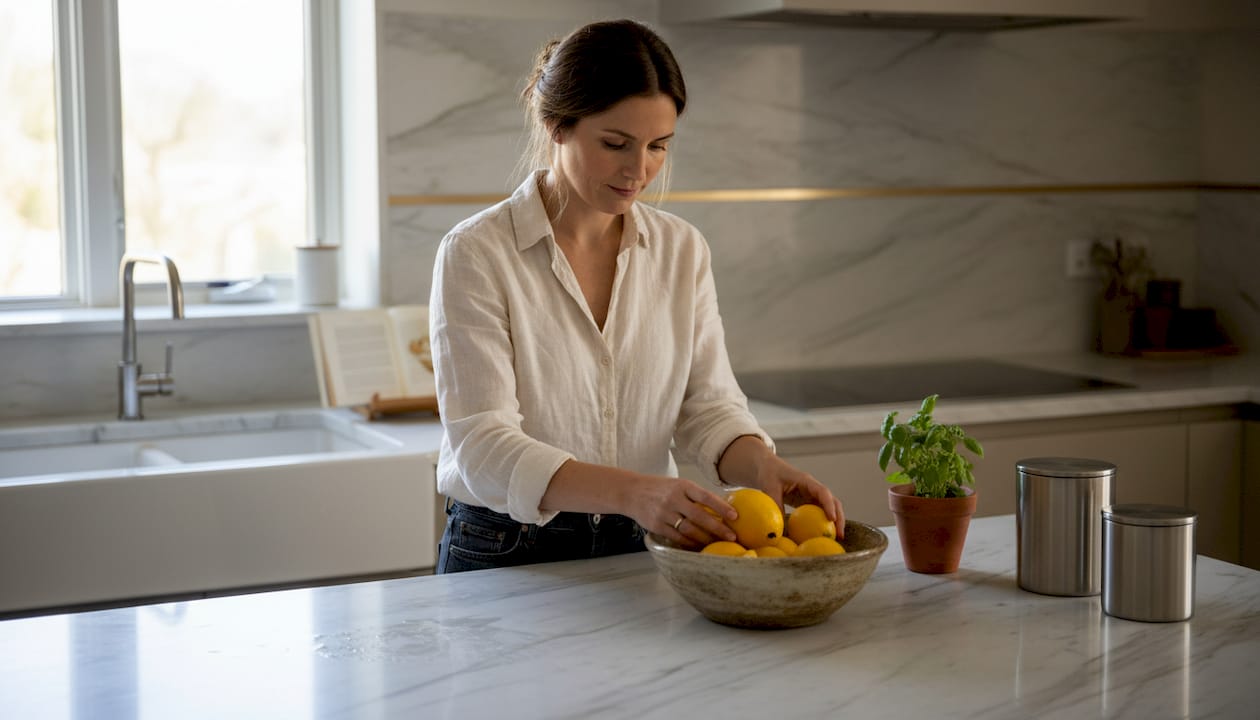
Travertine offers a warmer, earthier look with natural pitting and texture that gives rooms a grounded, organic feel. It’s slightly more porous than marble but responds well to sealing and is excellent for floors, outdoor patios, and living areas.
Granite is the hardest of the common luxury stones, making it exceptionally durable for high-traffic kitchen countertops. Its speckled, crystalline appearance is less dramatically veined than marble, which suits more understated interiors.
Limestone provides a soft, muted palette that pairs beautifully with neutral, Scandinavian, or coastal design schemes. It is quite soft and porous, so it works best in low-traffic decorative applications.
When it comes to using marble and travertine in specific rooms, think about the visual hierarchy you want to create. A marble countertop makes a kitchen feel opulent. A travertine floor grounds a living room with texture and warmth. Both can coexist beautifully in the same home when the finishes are coordinated thoughtfully. For more inspiration on luxury stone interiors, it helps to study well-curated design examples before committing.
Pro Tip: Before purchasing any stone, order sample swatches and place them in your actual room at different times of day. Morning light and evening lamplight can completely change how a stone’s undertones read, and what looks cool-toned in a showroom may appear much warmer at home.
Once you’ve settled on your stone type, the next question is where and how to use it. The most successful luxury interiors don’t layer stone everywhere at once. They pick one or two dramatic focal points and let the material breathe. Statement pieces create the kind of visual moment that guests remember long after they leave.
The most impactful stone elements for luxury homes include:
Stone walls, countertops, and accent pieces add timeless luxury to modern spaces, and this holds true whether you’re working with a generous renovation budget or a modest one. The key is strategic placement. One extraordinary stone piece in a room does more for the overall aesthetic than five mediocre ones spread across every surface.
For modern stone decor inspiration, pay close attention to how professional designers layer stone with other natural materials. Stone never looks better than when it’s paired with linen, aged brass, or warm walnut wood.
Pro Tip: If you’re not ready for large-scale installations, start with stone accessories. A marble tray, a travertine candle holder, or a stone bookend lets you test the material’s visual effect in your space before making a bigger commitment.
Two of the most coveted stone options, marble and travertine, each bring unique appeal to home decor. Choosing between them isn’t about which is objectively better. It’s about which one fits your specific vision, lifestyle, and space.
| Feature | Marble | Travertine |
|---|---|---|
| Appearance | Bold veining, high gloss, dramatic | Earthy tones, natural pitting, textured |
| Durability | Moderate, scratches over time | Moderate, softer than granite |
| Porosity | Moderately porous | More porous, needs sealing |
| Maintenance | Seal every 6-12 months, wipe spills fast | Seal every 6-12 months, fill pits periodically |
| Cost | Higher, especially rare varieties | Slightly more affordable on average |
| Best use | Bathrooms, fireplaces, accent walls | Floors, patios, dining tables, walls |
Key questions to ask yourself before choosing:
“Marble is prized for its elegance; travertine for its warmth and versatility.” This distinction matters enormously when you’re designing a space meant to feel either grand and formal or relaxed and inviting.
One underappreciated factor is how each stone ages. Marble, when properly maintained, develops a subtle patina over decades that actually adds to its character. Travertine’s natural pits, if left unfilled, collect texture and depth that many designers now intentionally preserve for a more lived-in, European aesthetic. Understanding the impact of stone on luxury spaces means appreciating how these materials evolve, not just how they look on day one.
Even the finest stone piece loses its impact if it’s styled poorly or maintained carelessly. This section covers both sides of the equation: how to make your stone look its absolute best within your interior, and how to keep it in that condition for years to come.
Styling principles for stone decor:
Pair stone with contrasting textures to let each material stand out. A polished marble table looks far more sophisticated when placed on a natural jute rug and surrounded by linen upholstered chairs. The rough against the smooth creates visual tension that feels intentional and curated. Use warm, directional lighting (think picture lights or angled pendants) to bring out the depth of veining in marble or the natural texture of travertine. Overhead flat lighting flattens stone’s beauty; raking light celebrates it.
Routine stone care steps:
Common stain treatment guide:
| Stain type | Recommended treatment |
|---|---|
| Red wine | Blot immediately, apply a poultice of baking soda and water, leave 24 hours |
| Coffee | Wipe with damp cloth, use pH-neutral cleaner if residue remains |
| Cooking oil | Apply cornstarch to absorb, then clean with dish soap diluted in water |
| Rust | Use a commercial stone rust remover; never scrub with metal tools |
| Ink | Dab with isopropyl alcohol on a cotton ball, rinse with clean water |
Proper maintenance ensures that luxury stone decor retains its elegance and value over the long term. Beyond DIY care, scheduling a professional stone restoration every three to five years can address micro-scratches, repolish surfaces, and reseal deeply, keeping your investment looking as strong as the day it was installed. For the most current modern stone care tips, always cross-reference with your stone supplier’s specific guidance, since different finishes (honed, polished, brushed) each have slightly different care protocols.
Most design advice focuses on how stone looks. We think that misses the deeper point entirely. Natural stone transforms a home because of how it feels, both physically and emotionally. Running your hand across a cool travertine tabletop, hearing the satisfying weight of a marble vessel sink, standing in a bathroom where every surface has been quarried from the earth, these are sensory experiences that manufactured materials cannot replicate no matter how convincing the printing technology gets.
The homes that genuinely feel luxurious aren’t the ones with the most expensive furniture. They’re the ones where every material choice feels intentional and authentic. Stone delivers that authenticity instantly. There’s also something emotionally resonant about living with a material that is literally millions of years old. It gives a home a sense of permanence and calm that’s increasingly rare.
We’ve seen homeowners spend fortunes on large-format stone installations that feel cold and impersonal, while others use one well-placed travertine lamp or marble tray to anchor an entire room’s character. The lesson is always the same: subtlety and craftsmanship outperform scale and flash every single time. Understanding stone’s transformative power is really about understanding restraint.
Inspired to bring that sensory richness into your own home? At Marmorique, we’ve spent years curating a collection of natural marble and travertine pieces designed to do exactly what this article describes: create rooms that feel genuinely luxurious, not just visually impressive.
From sculptural marble and travertine lamps to solid stone dining tables and artisan bathroom sets, every piece in our collection is selected for its craftsmanship, material quality, and design integrity. Whether you’re ready to make a bold statement with a full dining table or want to start smaller with a stone accent piece, our team is here to help you find exactly the right fit for your space and aesthetic vision. Explore the full collection at Marmorique and discover what authentic stone decor can do for your home.
Marble and travertine are top choices for living room accent walls because they offer dramatic visual appeal and work beautifully with a wide range of interior styles, from minimalist to maximalist.
Seal the marble every six to twelve months and clean spills immediately with a pH-neutral cleaner. As proper maintenance confirms, consistent care is what keeps marble looking pristine rather than dull or etched.
Yes, stone furniture is significantly denser and heavier than wood, so it’s worth consulting a structural professional if you’re placing large stone pieces on upper floors or older subfloors.
Travertine handles kitchen environments well due to its durability and slightly more forgiving surface, though travertine for its warmth and versatility still requires regular sealing to prevent staining from cooking oils and acidic foods.


