Your Cart (0)
Your cart is empty
Free express shipping

Drawer menu
Free express shipping

Selecting marble decor for your luxury home demands clarity on type, finish, and durability factors that directly shape elegance and budget. Calacatta marble can cost 2-3 times more than Carrara marble, dramatically affecting style and budget. This checklist will guide confident, elegant selections for your luxury home by breaking down the essential criteria, from material authenticity to room-specific care, so you avoid costly missteps and achieve the refined aesthetic you envision.
| Point | Details |
|---|---|
| Selection depends on marble type, finish, durability, and design | Each factor influences cost, maintenance, and visual impact in luxury interiors. |
| Calacatta marble is rare and costly but uniquely striking | Its bold veining commands premium prices for statement decor pieces. |
| Finish types affect marble’s appearance and maintenance needs | Polished, honed, and leathered finishes alter both look and care routines. |
| Room-specific suitability ensures marble longevity and beauty | Bathrooms and kitchens require sealed, acid-resistant marble selections. |
| Compare marble with travertine for style and care differences | Travertine offers rustic texture but needs more frequent sealing than marble. |
Choosing marble decor starts with recognizing the core factors that define quality and suitability. Authenticity and natural veining uniqueness are crucial to marble’s value and look, so verifying genuine stone origin matters immensely. Marble type and geographic source heavily impact both visual character and price, with Italian varieties commanding top dollar.
Different finishes change both aesthetics and maintenance requirements, so understanding polished versus honed surfaces is essential. Durability must suit the intended room and usage conditions, especially in moisture-prone or high-traffic areas. Design style compatibility maintains cohesive luxury interiors, whether you favor classic elegance or contemporary minimalism. Price varies by rarity, craftsmanship, and source quality, making it vital to balance investment with longevity.
When evaluating marble decor, focus on these selection essentials:
Understanding these benefits of marble decor prepares you to evaluate specific types and their distinct characteristics.
Carrara marble is moderately priced, classic, and widely used in luxury homes for its soft gray veining and timeless appeal. Calacatta marble commands premium prices for its bold veining and rarity, making it ideal for striking focal pieces like statement tables or fireplace surrounds. Statuario offers high contrast elegance at a premium price, with dramatic white backgrounds and sharp gray or gold veining.
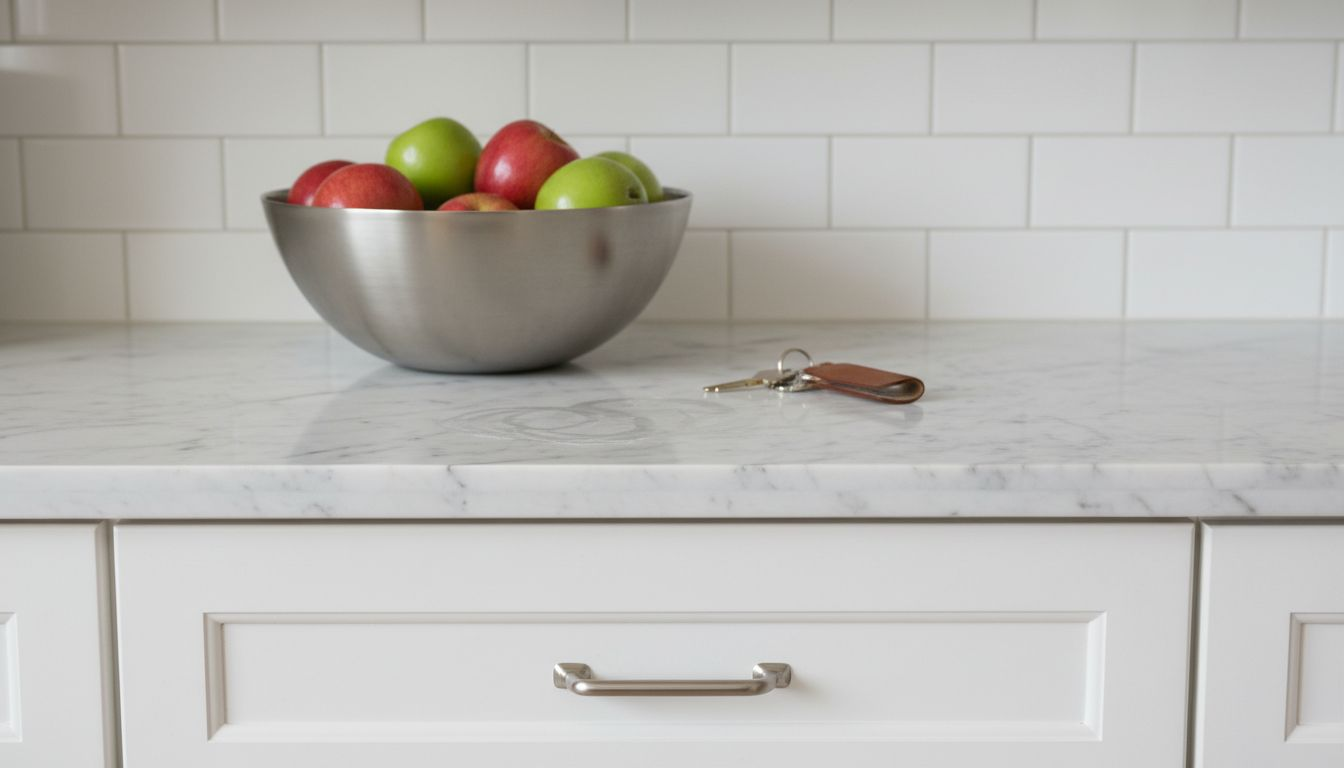
Travertine offers textured, rustic alternatives with higher porosity than marble, requiring more sealing but delivering unique earthy aesthetics. Each stone type brings distinct color palettes, veining intensity, and price ranges that directly influence your decor’s visual impact and budget allocation.
Here’s how major marble and travertine types compare:
| Stone Type | Price Range (per sq ft) | Veining Character | Best Use Cases |
|---|---|---|---|
| Carrara | $40-$80 | Soft gray, subtle | Tables, lamps, general decor |
| Calacatta | $120-$200+ | Bold white, dramatic gold/gray | Statement pieces, feature walls |
| Statuario | $150-$250+ | High contrast white with sharp veining | Luxury focal points, art pieces |
| Travertine | $30-$70 | Natural pitted texture, earthy tones | Rustic accents, Mediterranean styles |
Key considerations for each marble variety include:
Pro Tip: Request close-up photos of actual slabs before purchasing to ensure veining patterns match your aesthetic vision, since natural variation means no two pieces are identical.
Exploring marble decor benefits alongside travertine alternatives clarifies which material best fits your design goals and maintenance willingness.
Polished finishes create bright reflective surfaces that reflect up to 85% of light but require more frequent sealing than honed finishes to prevent moisture penetration. Honed finishes offer matte looks with better moisture absorption control, ideal for bathrooms and kitchens where water exposure is constant. Leathered finish adds texture, conceals wear, and moderates gloss, delivering a sophisticated tactile experience that hides fingerprints and minor scratches.
Proper sealing schedules preserve marble’s look and resist staining, with polished surfaces needing annual resealing and honed finishes every 18 months. Different finishes alter tactile feel and stain resistance crucial for specific rooms, so matching finish to environment prevents premature degradation.
Maintenance essentials by finish type:
Pro Tip: Test sealers on inconspicuous areas first to confirm they don’t alter your marble’s color or sheen before full application.
Understanding how finish coats and sealing impact floor finish durability translates directly to preserving marble decor’s luxury appearance over decades.
Bathrooms require water-resistant sealed marble to prevent etching and damage from moisture and acidic personal care products. Living and dining areas favor more durable finishes resistant to stains from food, beverages, and daily use, with honed or leathered surfaces performing better than polished. Marble is sensitive to acids, so avoiding harsh cleaners prevents etching that dulls surfaces and diminishes value.
Regular cleaning with pH-neutral products extends marble lifespan by removing dirt without chemical damage. Choosing marble per room ensures functional beauty without premature wear, balancing aesthetic ambitions with practical durability needs.
Room-specific marble selection guidelines:
Matching marble characteristics to room conditions prevents disappointment and costly replacements while maximizing your investment’s longevity and visual payoff.
Marble is harder and less porous than travertine, offering longer durability in high-use areas without excessive maintenance. Travertine has higher porosity and less hardness compared to marble, requiring more frequent sealing to prevent staining and moisture damage. Travertine’s natural texture suits rustic or Mediterranean styles distinctly, delivering organic warmth that marble’s sleek finish cannot replicate.
Maintenance and sealing schedules differ noticeably between materials, with travertine demanding attention every 6 to 12 months versus marble’s 12 to 18-month intervals. Price points for travertine generally run lower but with tradeoffs in wear resistance, making it suitable for decorative rather than high-traffic functional pieces.
Here’s a detailed comparison:
| Feature | Marble | Travertine |
|---|---|---|
| Hardness | Higher (Mohs 3-5) | Lower (Mohs 3-4) |
| Porosity | Low to moderate | High |
| Veining | Bold, dramatic patterns | Subtle, natural pitting |
| Price Range | $40-$250+/sq ft | $30-$70/sq ft |
| Sealing Frequency | Annual to 18 months | Every 6-12 months |
| Style Match | Classic, contemporary, minimalist | Rustic, Mediterranean, organic |
| Durability | Excellent for decor | Moderate, needs more care |
Key decision factors include:
Pro Tip: Blend both materials strategically in a single space by using marble for focal furnishings and travertine for complementary accents, creating layered visual interest.
Exploring travertine decor ideas alongside marble options ensures you select the material that truly aligns with your design vision and lifestyle demands.
Prices vary widely, with Carrara ranging $40 to $100 per square foot and Calacatta commanding $120 to $200 or more for rare slabs. Craftsmanship and stone grade significantly influence final cost, as artisan shaping, polishing, and installation expertise add substantial premiums. Higher initial cost often translates into longer-lasting luxury and visual impact, justifying investment for heirloom-quality pieces that appreciate over time.
Calacatta and Statuario marbles command premium prices due to rarity and artisan craftsmanship, making them worthy focal investments rather than ubiquitous material choices. Consider cost versus longevity tradeoffs based on intended use and investment goals, prioritizing durability for daily-use items and drama for decorative showpieces. Well-sourced authentic marble enhances both style uniqueness and resale value, offering financial returns beyond mere aesthetic satisfaction.
Price and value evaluation factors:
Balancing upfront expense with long-term value ensures your marble decor delivers both immediate elegance and enduring financial wisdom.
Marble complements classic, contemporary, and minimalist luxury styles effectively, adapting to diverse aesthetic visions through careful type and finish selection. Lighting placement enhances marble’s natural veining and elegance, with strategic illumination revealing subtle color shifts and depth that transform static decor into dynamic focal points. Classic styles favor Carrara for timelessness, while Calacatta suits statement pieces in modern settings where bold contrast drives visual excitement.
Consider item function and room environment in final selections, matching marble durability and maintenance needs to actual usage patterns. Final checklist recap ensures balanced decision-making for style, durability, and budget, preventing impulse purchases that clash with existing interiors or prove impractical.
Follow this prioritized selection process:
This structured approach transforms marble selection from overwhelming complexity into a confident, systematic process that delivers luxury interiors reflecting your unique vision and lifestyle needs.
Ready to bring expert marble selection principles to life in your home? Marmorique offers a curated collection of premium marble furnishings crafted from authentic Italian stone, including exquisite lamps, tables, and bathroom accessories.
Each piece blends artisan craftsmanship with timeless design, delivering functional elegance that elevates luxury interiors for decades. Our specialists guide you through selecting marble decor that perfectly fits your style, room requirements, and budget, ensuring confident choices backed by quality guarantees and authentic sourcing transparency. Explore our collection today and discover how genuine marble transforms your living spaces into sophisticated sanctuaries of lasting beauty.
Polished marble requires annual sealing to protect against moisture penetration and staining, while honed finishes need resealing every 12 to 18 months. High-moisture environments like bathrooms may demand more frequent applications, potentially quarterly for optimal protection.
Carrara marble with honed or leathered finishes performs well in high-traffic spaces due to moderate pricing and durability. Leathered surfaces hide scratches and wear effectively, making them ideal for entryways and living areas with consistent use.
Marble can be used in kitchens if properly sealed and maintained with immediate spill cleanup, but acidic ingredients like lemon juice and vinegar will etch surfaces over time. Honed or leathered finishes tolerate minor etching better than polished, making them safer kitchen choices.
Request documentation of stone origin, including quarry location and quality grade certifications from reputable suppliers. Examine veining patterns for natural irregularity, as synthetic or composite materials display unnaturally uniform designs, and consult independent appraisers for high-value investments.
Yes, expert shaping, polishing, and edge finishing directly impact structural integrity and aesthetic appeal over decades. Skilled artisans minimize micro-fractures during fabrication, apply superior sealing techniques, and create seamless joins that prevent moisture intrusion and premature degradation.


