Your Cart (0)
Your cart is empty
Free express shipping

Drawer menu
Free express shipping

Many believe natural stone decor demands excessive upkeep, yet proper sealing once or twice annually makes marble and travertine manageable while preserving their luxury appeal. Modern care techniques allow these materials to deliver lasting beauty with practical maintenance. Marble and travertine uniquely enhance luxury interiors beyond surface aesthetics, offering physical and visual qualities that synthetic alternatives cannot replicate.
| Point | Details |
|---|---|
| Stone adds texture and light enhancement | Natural patterning increases perceived space and luxury through superior light diffusion. |
| Durability suits high-traffic areas | Proper maintenance makes marble and travertine practical for demanding luxury interiors. |
| Various finishes enable customization | Polished, honed, tumbled, and brushed options deliver tailored tactile experiences and safety features. |
| Misconceptions about care are correctable | Factual guidance on sealing and cleaning dispels myths about burdensome upkeep. |
| Strategic integration serves as focal points | Stone elements unify and elevate interior themes through purposeful placement. |
Marble and travertine carry historic significance dating back millennia. Ancient Romans built monuments and palatial spaces using these materials, establishing their association with power and refinement. Marble’s centuries-long use in classical architecture establishes its connection with exclusivity and refined taste. Today, interior designers and luxury homeowners continue this legacy, selecting stone decor to convey artistry and timelessness.
Physical characteristics contribute to stone’s unique appeal. Each slab displays distinctive veining, color variation, and natural patterns formed over geological time. No two pieces are identical, offering exclusivity that mass-produced materials cannot match. This organic uniqueness resonates with clients seeking authenticity and individuality in their spaces.
Stone’s tactile qualities enhance sensory experience. Cool to the touch, smooth yet substantial, these materials ground interiors in natural elegance. Their weight and density communicate permanence and quality. Why Choose Marble for Interiors explores these inherent advantages further.
Key attributes that define stone’s timeless appeal include:
Travertine’s porous surface and natural patterning interact with light uniquely. Travertine’s natural patterning creates brighter, more open interiors through enhanced light diffusion. Pores and linear patterns scatter illumination across surfaces, softening harsh shadows and expanding spatial perception. This quality makes rooms feel larger and more inviting without additional lighting fixtures.
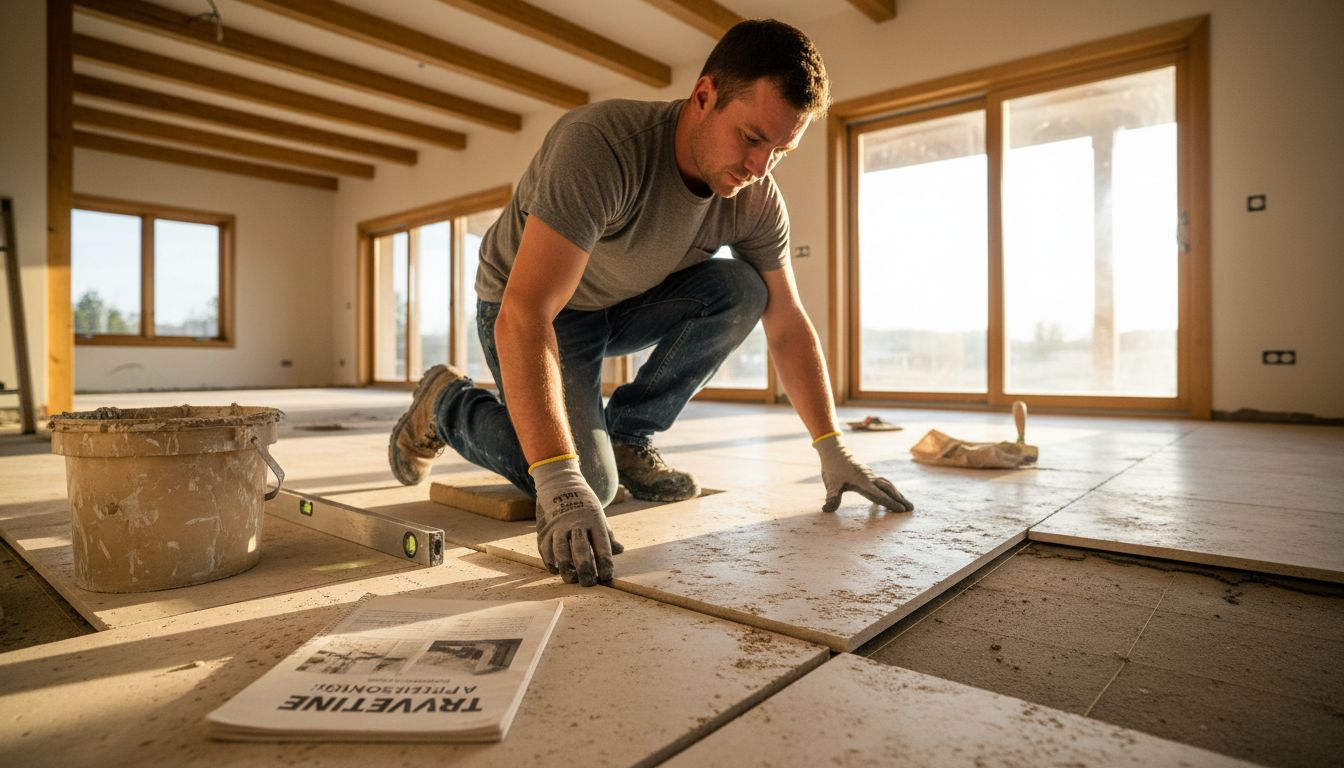
Marble’s polished gloss and distinctive veining create refined focal points. Marble’s veining and finish add sophisticated elements without disrupting minimalist interiors. Veins guide the eye through spaces, creating movement and visual interest. Polished surfaces reflect ambient light, multiplying brightness and adding depth to color palettes.
Texture delivers tactile richness unmatched by synthetic alternatives. Stone surfaces invite touch, offering sensory engagement beyond visual appreciation. Honed finishes provide subtle resistance, while polished surfaces glide smoothly. This tactile dimension adds experiential depth to luxury interiors, engaging visitors on multiple sensory levels.
Stone decor’s impact on interior ambiance includes:
“Marble’s polished finish and veining transform functional surfaces into artistic statements. Meanwhile, travertine’s light-reflective qualities expand spatial perception, making compact areas feel luxurious and open.”
Travertine has proven durability over 2,000 years, ideal for high-traffic interior areas. Roman structures built with travertine still stand today, demonstrating exceptional longevity. This durability translates to modern interiors, where stone withstands daily use without deterioration. Unlike wood or synthetic materials that wear visibly, stone develops character through age, enhancing rather than diminishing value.
Proper sealing once or twice yearly prevents staining and preserves beauty. Modern sealants penetrate stone surfaces, creating invisible barriers against moisture and oils. Application takes minimal time and requires no special expertise. Once sealed, stone resists common household stains from wine, coffee, and cooking oils.
Maintenance proves manageable with current care products. pH-neutral cleaners designed for natural stone remove dirt without damaging surfaces. Weekly cleaning takes no more effort than maintaining hardwood or tile. Professional deep cleaning every few years refreshes appearance and extends lifespan.
Practical maintenance steps include:
Pro Tip: Test sealers on a small, inconspicuous area first. Some sealers darken stone slightly, which may or may not suit your desired aesthetic. Always verify compatibility before full application.
The durability of travertine makes it particularly suitable for flooring and bathroom applications where moisture and foot traffic challenge lesser materials. Properly maintained stone outlasts most interior finishes by decades.
Finish selection dramatically influences both aesthetics and functionality. Travertine finishes such as polished, honed, tumbled, and brushed dramatically influence tactile experience and safety in interiors. Each finish serves specific design goals and practical requirements.
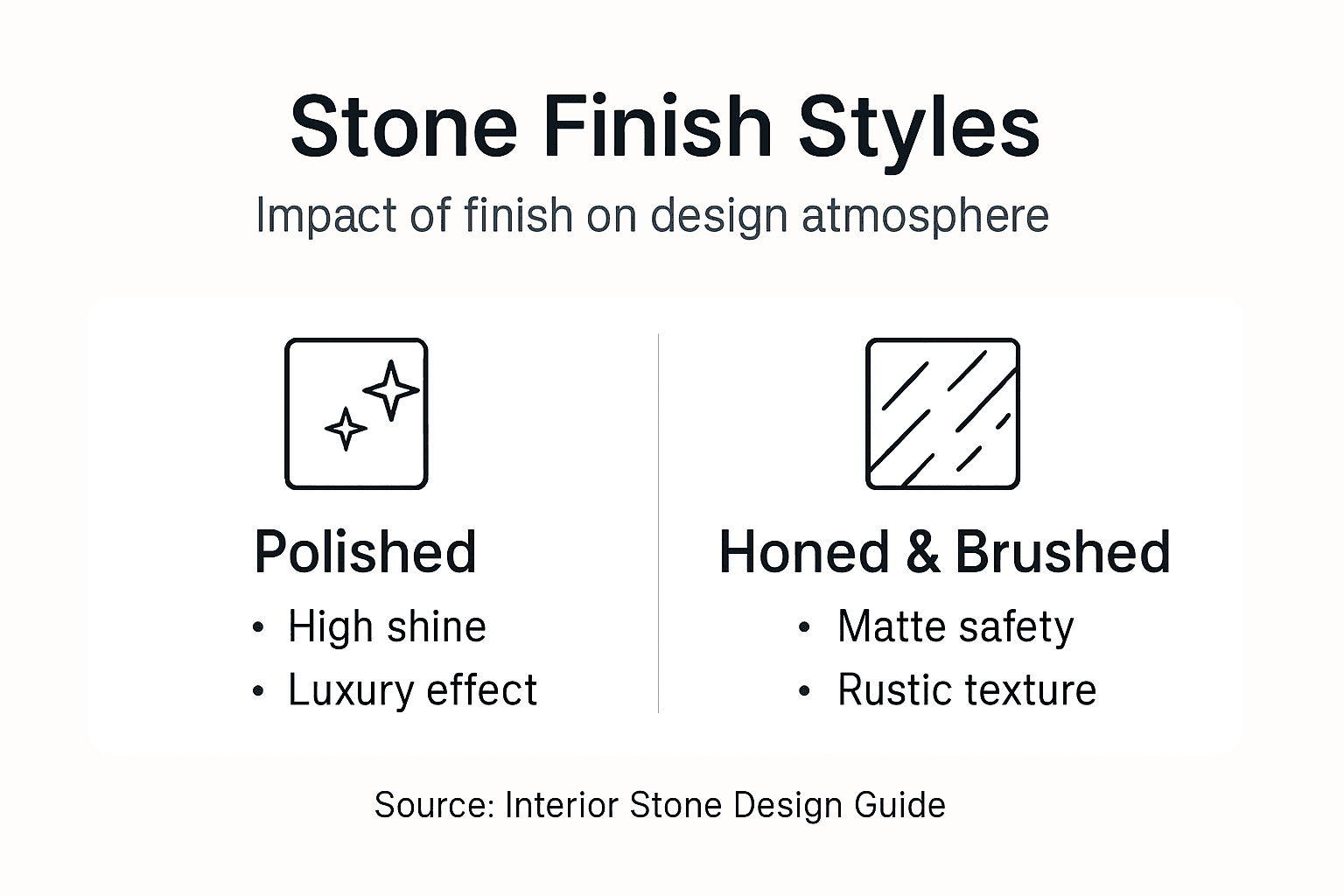
Polished stones offer high shine and luxury but less slip resistance. Mirror-like surfaces maximize light reflection and color depth. This finish suits vertical applications like accent walls, countertops, and tabletops where slip resistance is not critical. Polished marble creates formal elegance ideal for entryways and dining areas.
Honed finishes are matte, offering elegance plus improved safety. Light sanding creates smooth surfaces without gloss. Honed stone feels silky yet provides better traction than polished options. This finish works well for bathroom floors, kitchen islands, and high-traffic areas requiring sophistication with practicality.
Tumbled and brushed finishes add rustic texture and greater traction. Tumbling creates rounded edges and weathered appearance, evoking Mediterranean charm. Brushing uses wire tools to rough surfaces slightly, enhancing grip while maintaining clean lines. These finishes suit casual luxury spaces like outdoor kitchens, pool areas, and country estates.
| Finish Type | Aesthetic | Slip Resistance | Best Applications |
|---|---|---|---|
| Polished | High gloss, formal elegance | Low | Accent walls, tabletops, low-traffic floors |
| Honed | Matte sophistication | Medium | Bathroom floors, countertops, kitchen islands |
| Tumbled | Rustic, aged charm | High | Outdoor areas, casual spaces, country homes |
| Brushed | Textured modern | High | Showers, pool surrounds, entryways |
Finish considerations for optimal results:
Pro Tip: Combining finishes within one space creates visual interest. Use polished marble and travertine finishes on vertical surfaces for drama, and honed or brushed finishes on floors for safety. This layered approach maximizes both beauty and practicality.
Several myths prevent designers and homeowners from confidently specifying stone. Proper sealing and cleaning products negate the misconception that stone requires excessive maintenance. Addressing these misunderstandings removes barriers to adoption.
Many believe stone demands constant attention and specialized care. Reality proves different. Once sealed, stone requires only routine cleaning with appropriate products. Modern sealers last months to years depending on traffic. Maintenance effort equals or falls below that of hardwood flooring.
Some assume travertine lacks durability compared to harder stones like granite. Historical evidence contradicts this belief. Ancient travertine structures demonstrate exceptional longevity. While softer than granite, travertine withstands residential use admirably when properly maintained. Its porosity actually aids grip, making it safer for floors than polished harder stones.
Another misconception suggests stone suits only traditional or rustic interiors. Contemporary designers regularly incorporate myths about marble and travertine into ultra-modern spaces. Stone’s neutral tones and clean lines complement minimalist aesthetics perfectly. Careful selection of finish and color allows stone to adapt to any design direction.
Common myths corrected:
Understanding factual stone characteristics empowers confident design decisions. Resources clarifying stone maintenance misconceptions help clients appreciate stone’s practical luxury.
Marble and travertine elements like coffee tables, flooring, and accent walls serve as sophisticated focal points elevating luxury interiors. Strategic placement maximizes visual impact while maintaining functional flow.
Furniture pieces in stone anchor living areas with substantial elegance. Coffee tables, side tables, and console tables in marble or travertine provide weight and permanence. Their surfaces showcase veining patterns as natural art. Paired with upholstered seating, stone furniture balances soft and hard elements beautifully.
Large travertine floors provide visual continuity and spacious flow. Consistent flooring across open-concept spaces eliminates visual breaks that fragment layouts. Travertine’s neutral tones work as a canvas for furniture and artwork. Its light-reflective properties enhance natural illumination, reducing energy costs.
Stone lighting fixtures have become a trending, artful addition to luxurious spaces. These pieces combine function and sculpture, casting warm, diffused light through translucent stone. Pendant lights, table lamps, and sconces in alabaster, marble, or travertine serve as conversation pieces while providing ambient illumination.
Effective integration strategies:
| Application Type | Impact | Ideal Spaces |
|---|---|---|
| Flooring | Continuity, spaciousness | Open-concept living areas, hallways |
| Accent Walls | Dramatic focal point | Bedrooms, dining rooms, entryways |
| Furniture | Grounding elegance | Living rooms, lounges, studies |
| Lighting | Artful ambiance | Any room needing soft illumination |
| Bathroom Surfaces | Spa-like luxury | Master bathrooms, powder rooms |
Strategically placed stone features unify interior themes. A travertine floor might connect to a marble vanity through similar tones, creating visual harmony across spaces. This cohesion elevates perceived design quality and intentionality.
Successful stone integration requires thoughtful planning and informed selection. Routine sealing and correct cleaning products preserve stone beauty with minimal effort. Follow these guidelines for optimal results.
Assess project goals carefully. Define whether you prioritize dramatic visual impact, longevity, specific color palettes, or budget constraints. Clear goals guide stone type and finish selection.
Choose stone types suited to space functionality. Marble suits lower-traffic elegance like powder rooms and accent walls. Travertine handles higher traffic in kitchens, bathrooms, and flooring applications. Match material hardness and porosity to expected use.
Select finishes matching practical needs. Polished finishes maximize luxury in dry, low-traffic areas. Honed or brushed finishes provide safety in wet or high-traffic zones. Never use polished stone on shower floors or exterior steps.
Plan regular sealing schedules. Mark calendar reminders for annual or biannual sealing based on manufacturer recommendations. Consistent sealing prevents staining and extends stone life significantly.
Use only manufacturer-recommended cleaners. Acidic or abrasive products damage stone permanently. Invest in pH-neutral stone cleaners and avoid vinegar, bleach, or ammonia-based products.
Combine stone with warm textures. Pair stone’s cool elegance with wood, textiles, and warm metals like brass or copper. This balance prevents clinical, cold atmospheres common when stone dominates spaces.
Balance heavy stone elements thoughtfully. Limit stone to key focal areas rather than entire rooms. Offset visual weight with lighter colors, open shelving, and natural light.
Pro Tip: Request stone samples to view in your actual space before purchasing. Stone appears dramatically different under various lighting conditions. Natural light, warm LED, and cool fluorescent each alter color and veining visibility. Always test samples in morning, afternoon, and evening light.
Selecting marble and travertine becomes straightforward when you understand your space’s functional demands and aesthetic goals. Consult with suppliers about stone origins, as geographic source affects color consistency and characteristics.
Transform your design vision into reality with carefully curated stone selections that embody timeless luxury. Whether you’re drawn to marble’s dramatic veining or travertine’s warm, earthy tones, premium natural stone offers unmatched sophistication.
Explore diverse types of marble decor ideal for sophisticated spaces, from statement furniture to artful lighting. Understand travertine origins and use to appreciate the geological journey behind each piece. Discover natural stone luxury collections tailored for upscale interiors, featuring handcrafted pieces that elevate everyday living into extraordinary experiences.
Marble requires sealing every 6-12 months due to its denser, less porous structure that can still absorb liquids. Travertine, being more porous, benefits from sealing every 3-6 months in high-use areas. Both need pH-neutral cleaners and immediate spill cleanup, but travertine’s texture hides minor etching better than polished marble.
Honed or brushed finishes suit bathrooms and kitchens best due to superior slip resistance and stain concealment. Polished stone, while beautiful, becomes dangerously slippery when wet. Reserve polished finishes for vertical surfaces like backsplashes and accent walls where safety is not a concern.
Properly sealed and maintained stone lasts 50-100+ years in high-traffic residential areas. Commercial installations with extreme traffic may show wear after 20-30 years but remain functional far longer. Stone actually improves with age, developing patina that enhances character rather than detracting from value.
Authentic stone displays irregular patterns, color variations, and unique veining that never repeat exactly. Run your hand across the surface; natural stone feels cooler initially and warms slowly. Check edges for layering or uniform composition, as synthetics often show manufacturing marks. Request documentation of quarry origin from reputable suppliers.
Layer stone with warm wood tones, soft textiles like wool or linen, and warm metal accents in brass or copper. Limit stone to 30-40% of visible surfaces, using it as accent rather than dominant material. Incorporate organic shapes, plants, and warm lighting temperatures (2700-3000K) to balance stone’s cool elegance with inviting warmth.


