Your Cart (0)
Your cart is empty
Free express shipping

Drawer menu
Free express shipping

Selecting the perfect marble for a luxury residence involves far more than choosing a surface that looks beautiful in the showroom. When your clients expect an interior that radiates refinement and enduring quality, understanding marble’s origins and composition becomes essential. This unique metamorphic stone, prized for centuries from quarries in places like Italy and Greece, offers unparalleled elegance, intricate veining, and crystalline depth that simply cannot be replicated. Here, you will find the foundations for making informed marble selections that resonate with both history and modern luxury expectations.
| Point | Details |
|---|---|
| Marble Formation | Marble is a metamorphic rock formed from limestone or dolomite under extreme heat and pressure, resulting in a dense material with unique crystalline properties. |
| Desirable Types | Top marble choices for luxury interiors include Carrara, Calacatta, and Statuary, renowned for their aesthetic elegance and durability. |
| Finishing Matters | The finish of marble significantly affects its appearance and maintenance; polished surfaces create high gloss, while honed finishes offer a more matte look. |
| Maintenance Essentials | Proper sealing and specific cleaning protocols are critical to maintaining marble’s beauty and longevity, as it is sensitive to acidic substances. |
Marble begins its journey deep within the earth, far removed from the polished surfaces your clients admire in their homes. This stunning metamorphic rock forms when limestone or dolomite undergoes intense heat and pressure over millions of years, typically in mountainous regions experiencing tectonic activity. The process of recrystallization transforms the original carbonate minerals into a denser, harder material primarily composed of calcite. Think of it this way: the earth takes a relatively soft sedimentary rock and, through geological forces, converts it into something far more durable and beautiful. This metamorphic transformation creates the structural integrity that makes marble suitable for both grand architectural statements and intimate interior details.
What distinguishes marble from its source material is its crystalline structure. When you examine a marble slab under magnification, you see interlocking crystals without foliation (the layered pattern found in other metamorphic rocks). This uniform crystalline arrangement gives marble its signature ability to take a high polish and scatter light in ways that create depth and luminosity. The veining and color variations that make each piece unique come from impurities in the original rock. Iron oxides create warm browns and reds. Clay minerals produce grays and darker tones. Manganese oxides contribute pinks and purples. For luxury interior designers, this means every slab tells a geological story spanning hundreds of millions of years.
Marble’s historical significance cannot be overstated. Ancient civilizations recognized its value for sculpture and monumental architecture thousands of years ago. The Romans extracted it from quarries in what is now Italy, establishing a tradition that continues today. Modern luxury interiors benefit from this deep understanding of marble’s properties: hardness that resists everyday wear, polishability that creates the luminous finishes clients desire, and light-scattering characteristics that make spaces feel larger and more refined. The same geological forces that created marble in the Italian Apennines or the American Rocky Mountains are the reason it remains a cornerstone material for elevated interior design. Your clients aren’t simply purchasing a decorative element; they’re investing in a material refined by geological time itself.
Pro tip: _When presenting marble options to clients, help them understand that color and veining patterns are geological records, not manufacturing variations. This context elevates their appreciation for the material and justifies the investment in premium pieces.
When your clients ask which marble options will deliver the most sophisticated results, you’re likely steering them toward the same varieties that have commanded attention for centuries. Carrara marble stands at the top of this hierarchy, quarried from the Apuan Alps in Italy and prized for its soft white color with delicate gray veining. Calacatta marble takes the elegance further, offering bolder, more dramatic gray and gold veining against a brighter white background that creates striking visual impact in any space. Statuary marble, also Italian, delivers an almost pure white appearance with minimal veining, making it ideal for clients seeking understated luxury. These white and veined varieties dominate high-end interior applications because they possess fine grain structures and translucent qualities that scatter light beautifully and create the luminous finishes luxury interiors demand.
Beyond the Italian classics, Pentelic marble from Greece and Parian marble from Greek islands round out the most coveted selections. These historically significant varieties have been extracted for millennia, with Pentelic marble famously used in the Parthenon. Their appeal lies not just in historical prestige but in genuine geological superiority. Pure calcitic and dolomitic marble varieties dominate the market because their composition, grain size, and purity make them exceptionally workable and durable. Dolomitic marbles deserve special attention for luxury interiors because they offer superior toughness compared to calcitic options, though they often feature distinctive greenish tones from serpentine mineral inclusions. This geological difference translates to practical advantages: dolomitic marble resists etching slightly better and maintains its finish longer in high-traffic areas.
Colored and veined marbles extend far beyond white options. Deep blacks with white veining, warm creams with golden tones, soft greens with subtle patterning, and rich reds all derive their character from mineral impurities accumulated during marble’s formation. When presenting options to clients, these color variations aren’t flaws or inconsistencies; they’re geological signatures that prove authenticity and rarity. A slab of marble with pink undertones contains manganese oxides. Greenish tones indicate serpentine minerals. Gray veining comes from carbon and clay. Your discerning clients appreciate this geological storytelling, and it justifies both the investment and the design direction you’re recommending.
Pro tip: Request sample slabs from multiple quarries of the same marble type; geological variations between sources create noticeably different aesthetics, allowing you to match the precise character your client envisions for their space.
Here’s a summary of the most desirable marble types and their distinguishing traits:
| Marble Type | Notable Origin | Primary Color & Veining | Unique Feature |
|---|---|---|---|
| Carrara | Italy, Apuan Alps | Soft white, delicate gray veins | Classic elegance |
| Calacatta | Italy | Bright white, bold gold veining | Dramatic patterns |
| Statuary | Italy | Pure white, minimal veining | Understated luxury |
| Pentelic | Greece | Warm white, subtle veins | Historical prestige |
| Parian | Greek Islands | Fine-grained, white | Sculptural quality |
| Dolomitic Marble | Various Locations | Greenish tones, distinct veining | Superior toughness |
The visual character of marble comes down to three interconnected elements that work together to create the final aesthetic your clients will live with for decades. Veining patterns form during metamorphosis when mineral impurities get redistributed and concentrated through the intense pressure and heat that transforms limestone into marble. These aren’t random scratches or surface defects; they’re geological records of the rock’s transformation. Some veining appears as delicate, hair-thin lines running through creamy backgrounds. Other slabs display bold, sweeping patterns that look almost painterly. Color variations range from pure white to soft creams, grays, greens, pinks, blacks, and rich reds, all determined by what minerals were present in the original limestone. Veining patterns and color variations result from mineral impurities such as clay, iron oxides, and other compounds that create those distinctive swirls you see in every unique slab. Understanding this geological basis helps you communicate authenticity to clients who might otherwise view variation as inconsistency.
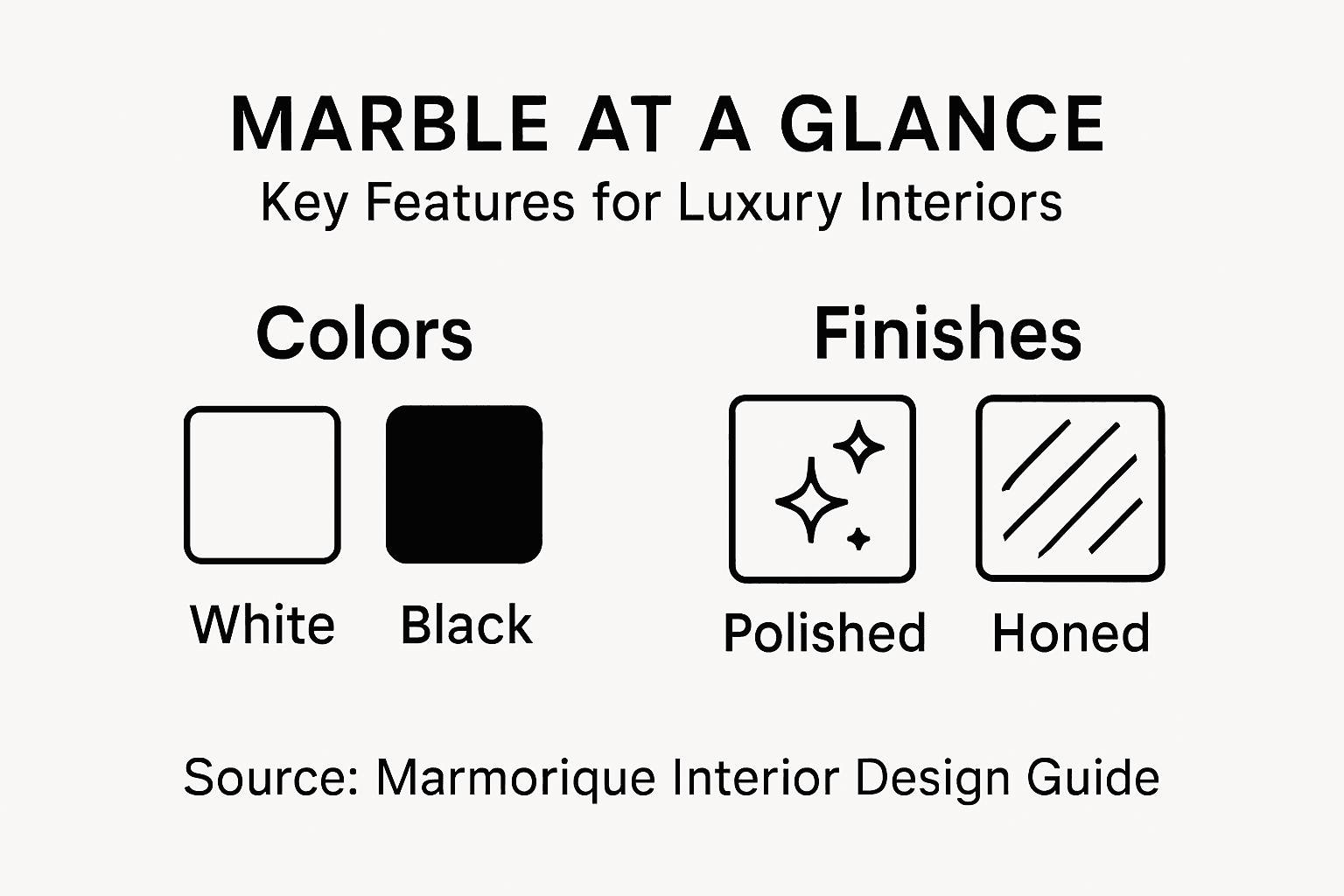
The finish you choose transforms marble from raw stone into a design element that defines the entire aesthetic direction. Polished finishes create that iconic high-gloss appearance that screams luxury. When you polish marble, you’re smoothing the surface and allowing light to scatter beneath the crystalline structure, creating depth and that signature marble glow. This finish highlights veining dramatically and intensifies color, making patterns pop off the surface. However, polished marble requires more maintenance since it shows fingerprints and water spots readily. Honed finishes offer a softer, more matte appearance that feels more contemporary and hides maintenance issues better while still showcasing the stone’s beauty with subtlety. Brushed finishes add tactile texture that catches light differently, creating movement across the surface. Different marble finishes ranging from polished to honed affect visual appeal and texture in ways that dramatically influence how clients experience the material daily.
Consider the practical implications when recommending finishes to your luxury clients. Polished marble in powder rooms and accent walls creates maximum drama and reflects light beautifully in spaces with abundant natural light. Honed marble works better in kitchens and bathrooms where moisture and maintenance are considerations. Textural finishes like brushed or tumbled varieties suit contemporary designs and high-traffic areas where you want to minimize the appearance of wear. The same Carrara marble can look completely different based on finish selection. A polished slab reads as timeless and formal; the same stone honed transforms into something refined but approachable. This finish flexibility means you can spec marble into nearly any design direction your client envisions while maintaining that unmistakable luxury character that distinguishes marble from alternatives.
Pro tip: Always request finished samples in multiple lighting conditions before making final selections; how marble looks under the showroom’s bright lights can differ dramatically from how it appears in your client’s actual space with its specific natural and artificial lighting.
Compare how marble finishes affect appearance and maintenance:
| Finish Type | Visual Impact | Maintenance Level | Best Use |
|---|---|---|---|
| Polished | High gloss, vivid veins | Shows spots easily | Accent walls, powder rooms |
| Honed | Matte, soft elegance | Hides fingerprints better | Kitchens, bathrooms |
| Brushed | Textured, subtle sheen | Minimizes wear appearance | High-traffic areas |
Marble transcends being simply a material choice and becomes a design statement when integrated strategically throughout luxury homes. Flooring represents the most visible application, anchoring entire spaces with elegance and permanence. A marble foyer sets the tone immediately, signaling quality and refinement to anyone entering. The translucent quality of fine marble catches light and creates a subtle glow beneath your feet that no other stone can replicate. Beyond flooring, wall cladding transforms ordinary surfaces into focal points. Full-height marble walls in master bathrooms create spa-like sanctuaries, while accent walls in living areas draw the eye and create architectural drama. Countertops in kitchens and bathrooms demand marble because the material delivers both aesthetic sophistication and practical durability when properly sealed and maintained. Marble appears extensively in luxury interiors for flooring, wall cladding, countertops, and ornamental features, with its aesthetic appeal and fine grain creating timeless elegance throughout premium residential spaces.
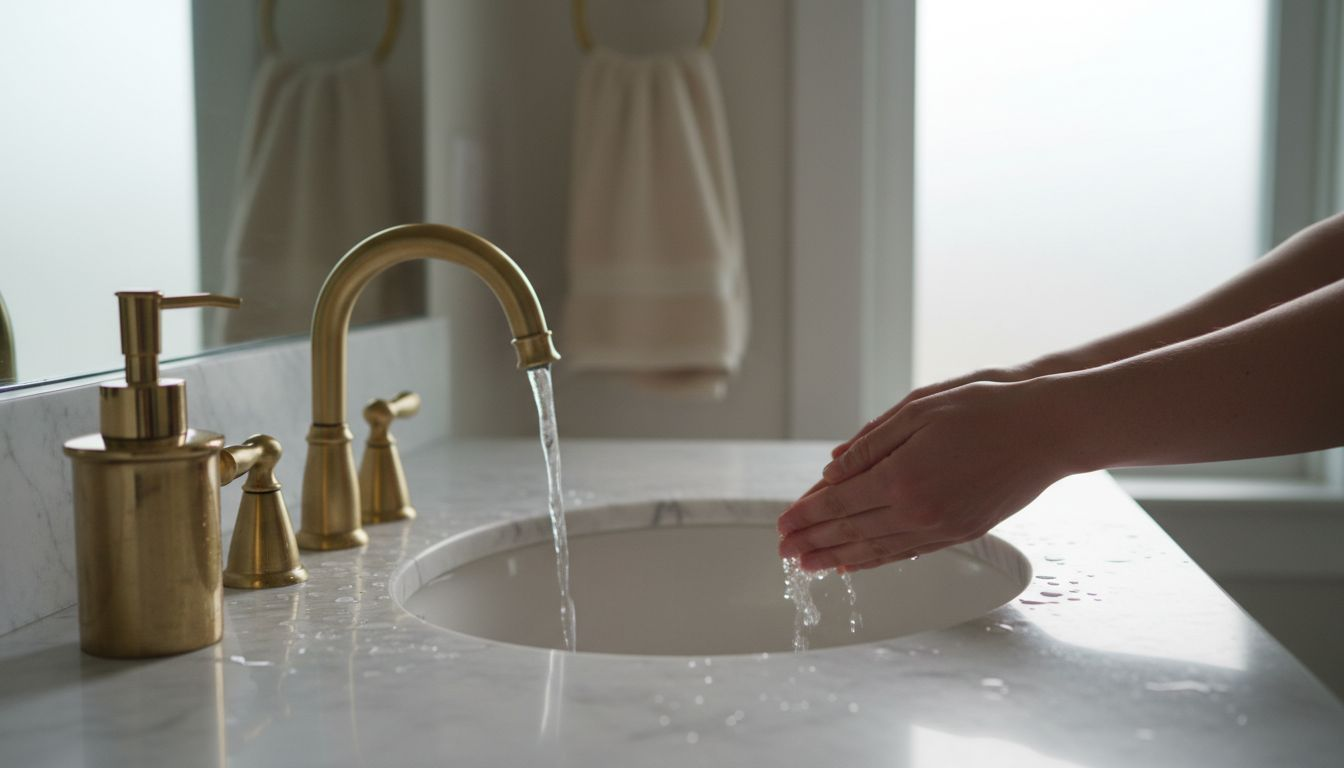
Ornamental and sculptural applications showcase marble’s versatility beyond functional surfaces. Fireplace surrounds carved from marble become architectural centerpieces that anchor entire living rooms. The way marble’s veining frames a fireplace opening creates visual interest that lasts for decades. Sculptural accents, marble tables, and decorative pieces sourced from artisanal craftspeople add personality and demonstrate your clients’ appreciation for craftsmanship. Marmorique specializes in marble home decor that extends marble’s reach into lighting fixtures, tabletops, and sculptural accessories. These pieces function as jewelry for interiors, drawing attention through texture, veining, and form. Columns and architectural elements channel marble’s historical prestige, grounding contemporary spaces with classical references. Even modest applications like marble bathroom vanities or powder room countertops convey luxury through material choice alone.
The reason marble persists across centuries of design trends lies in its uncompromising combination of properties. Marble’s polishability means surfaces can be customized from mirror-bright to soft matte depending on the design vision. Its range of colors accommodates any palette, from minimalist whites to bold statement blacks and vibrant accent colors. The fine grain structure and translucency create visual depth that photographs can barely capture. When clients walk into spaces featuring marble, they instinctively recognize quality. This isn’t marketing. This is geology. Historical precedent demonstrates marble’s staying power. The Taj Mahal. Versailles. Classical temples. Modern luxury penthouses. The material transcends era and style because its inherent beauty transcends trend. Your role as a designer is recognizing where marble elevates a project from good to extraordinary.
Pro tip: Introduce marble strategically in spaces where it functions as both surface and sculpture; a marble vanity in a bathroom or marble side table in a bedroom achieves luxury impact while serving practical purposes that justify the investment to clients.
Marble delivers benefits that justify both its cost and the maintenance commitment it demands. The primary advantage is longevity. Properly maintained marble surfaces can outlast multiple generations of homeowners, retaining their beauty long after other materials have degraded or fallen out of style. A marble countertop installed in a 1920s mansion still gleams today. A marble floor laid centuries ago in a European palace remains pristine. This staying power means your clients are making an investment that transcends temporary design trends. Beyond durability, marble offers unmatched aesthetic value. The material’s ability to be polished to a mirror shine, combined with its natural veining and color depth, creates visual richness that manufactured alternatives cannot replicate. Marble catches and reflects light in ways that make spaces feel larger, more refined, and infinitely more luxurious. The translucency of quality marble adds an almost ethereal quality to light-filled spaces. These benefits compound over time, making marble a smart long-term investment for discerning clients who plan to remain in their homes.
The trade-off is that marble requires attention. Unlike granite or quartz, marble is vulnerable to acids because marble reacts with acidic substances due to its calcite composition, meaning lemon juice, vinegar, wine spills, and even some cleaning products can etch the surface. Sealing is non-negotiable. A quality penetrating sealer applied during installation and reapplied every one to three years (depending on traffic and use) protects against moisture penetration and reduces staining risk significantly. Cleaning demands discipline. Your clients must use only pH-neutral cleaners specifically formulated for marble. Dish soap and water work perfectly for daily maintenance. Microfiber cloths prevent water spotting better than paper towels. Coasters become mandatory accessories. Trivets are non-negotiable for hot cookware. These practices sound restrictive until you contextualize them: your clients chose marble because they value quality and craftsmanship. They understand that beautiful things require care.
Professional restoration represents the ultimate insurance policy. When inevitable scratches or minor chips appear, professional stone craftspeople can refinish surfaces to restore that original pristine appearance. Regular maintenance including periodic professional restoration can renew marble’s appearance in luxury interiors, ensuring that even well-used surfaces maintain showroom quality. This restoration capability distinguishes marble from many alternatives. You cannot restore engineered quartz. You cannot refinish laminate. Marble, by contrast, improves with professional attention. A marble surface that has seen 30 years of use in a busy kitchen can be professionally honed or polished back to its original character. This restorative potential means marble actually becomes more valuable over time as clients invest in its care and maintenance.
Pro tip: Provide clients with a detailed marble care guide at project completion, specifying recommended sealers, cleaning products, and professional maintenance schedules specific to their marble type and finish; this investment in client education prevents costly damage and builds long-term relationships.
The most preventable marble disasters stem from one fundamental misunderstanding: treating marble like granite. Your clients may assume all stone surfaces are created equal, but marble’s calcite composition makes it fundamentally different. The biggest mistake is using acidic cleaners. Vinegar, lemon juice based products, and even some commercial stone cleaners contain acids that etch marble’s surface irreversibly. The damage isn’t immediate enough to shock clients into changing behavior. A small etch appears as a dull spot on polished marble. Over months, dozens of these etches accumulate, creating a surface that looks aged and worn rather than lustrous. Many clients blame the marble quality when the real culprit is their cleaning routine. Avoiding acidic cleaners and direct exposure to substances like vinegar and citrus significantly reduces surface etching and maintains that original brilliance. The solution is straightforward: educate clients before installation. Provide them with a approved cleaner list. Show them what to avoid. This single conversation prevents 80 percent of marble maintenance complaints.
The second critical error is neglecting sealing. Some designers spec marble, hand it off to clients, and assume the stone fabricator handled sealing. Others assume one application lasts forever. Sealing is not a one-time event. A quality penetrating sealer requires reapplication every one to three years depending on traffic patterns and use intensity. A kitchen island with daily use needs more frequent sealing than a guest bathroom. Without proper sealing, moisture penetrates the stone, inviting stains from oils, wine, and other substances that become permanent residents within the marble itself. Improper sealing intervals and ignoring environmental factors such as humidity and heat can degrade marble and accelerate deterioration that clients will blame on the material rather than maintenance. The third mistake involves placement decisions. Marble in powder rooms stays pristine. Marble in primary bathrooms with daily showers develops issues from constant moisture exposure. Marble in active kitchens where acidic foods and hot cookware migrate requires more robust protection than polished marble in formal dining rooms.
Another costly error is underestimating the importance of proper installation. Marble requires skilled fabricators who understand the stone’s characteristics, movement, and sealing requirements. Rushing installation, cutting corners on underlayment, or failing to properly seal seams invites water infiltration and structural problems. Heavy objects placed directly on marble countertops without trivets or mats cause cracking. Water pooling on marble floors leads to staining and deterioration. The solution is specification and client education working together. Specify appropriate finishes for the application. Polished marble in a bathroom that sees constant moisture is a setup for problems. Honed marble handles moisture better. Guide clients toward realistic expectations. Marble in a busy family kitchen requires different decision making than marble in a formal dining room that gets used twice yearly. When you align material selection with actual use patterns, marble performs beautifully for decades.
Pro tip: Create a marble care checklist specific to each project and deliver it to clients at project completion, including approved cleaners, sealing schedules, and specific maintenance practices tailored to their marble type, finish, and room application.
The article highlights the timeless beauty and unique character of natural marble, along with the care and expertise needed to preserve its luxury appeal. Choosing marble that tells a geological story, featuring exquisite veining and perfect finishes, is essential to creating interiors that captivate and endure. However, sourcing authentic, high-quality marble decor pieces that combine craftsmanship with practical design can be challenging.
Explore premium marble and stone pieces that bring these natural wonders into your home with confidence.
Discover Marmorique’s curated collection of artisanal marble lamps, tables, and bathroom sets designed to showcase the natural elegance and durability detailed in the article. With a focus on craftsmanship and timeless design, our products help translate marble’s geological richness into sophisticated interior accents. Don’t settle for ordinary when you can elevate your space with genuine marble decor that stands the test of time. Start your journey today by visiting Marmorique and bring home a piece of natural luxury.
Marble is a metamorphic rock formed from limestone or dolomite that undergoes intense heat and pressure over millions of years, resulting in a hard, crystalline structure primarily composed of calcite.
The most sought-after marbles include Carrara, Calacatta, Statuary, Pentelic, and Parian, each known for their unique colors, veining patterns, and historical significance.
The finish of marble, whether polished, honed, or brushed, dramatically influences its visual impact and maintenance requirements. Polished marble offers high gloss but shows spots easily, while honed marble has a softer look and is easier to maintain.
Marble requires proper sealing every one to three years, the use of pH-neutral cleaners, and avoidance of acidic substances to prevent etching. Regular professional restoration can also help maintain its pristine appearance.


