Your Cart (0)
Your cart is empty
Free express shipping

Drawer menu
Free express shipping

Selecting marble furnishings no longer means settling for the usual kitchen counter or bathroom vanity. Today’s luxury homes and designer spaces use marble as a statement of timeless sophistication and individuality, from sculptural lighting to architectural partitions. This natural stone draws admiration not just for its unique veining and light-reflective beauty, but also for its resilience when cared for properly. For those passionate about aesthetics and quality, understanding marble’s role in modern interiors will help balance breathtaking style with practical durability.
| Point | Details |
|---|---|
| Modern Versatility | Marble furnishings now appear in diverse applications, from lighting to sculptural pieces, redefining their role in luxury interiors. |
| Unique Characteristics | Each marble piece is one-of-a-kind, showcasing natural veining and light-reflective properties that add depth and sophistication. |
| Investment Value | Natural marble appreciates over time and enhances property value, making it a worthwhile investment compared to engineered alternatives. |
| Maintenance Awareness | Proper care and understanding of marble’s vulnerabilities, especially to acidic substances, are essential to maintain its enduring beauty. |
Marble furnishings have evolved far beyond the traditional bathroom vanity or kitchen counter. Today’s luxury interiors feature marble in unexpected places, transforming how designers think about this ancient material. From sculptural lighting elements to statement coffee tables and architectural partitions, marble design now defines contemporary luxury spaces by blending timeless craftsmanship with modern sophistication. These pieces aren’t simply decorative afterthoughts; they’re carefully curated focal points that anchor entire room compositions. What separates today’s marble furnishings from yesterday’s standard applications is the intentional focus on versatility, craftsmanship quality, and the material’s inherent optical properties.
Contemporary marble furnishings prioritize several defining characteristics that distinguish premium pieces from mass-produced alternatives. First, there’s the emphasis on natural veining and unique patterning. No two marble slabs are identical, meaning each lamp base, tabletop, or wall accent carries its own distinctive character. Luxury designers leverage this uniqueness as a selling point rather than viewing it as inconsistency. Second, these furnishings showcase superior light-reflective properties that create visual depth and sophistication within spaces. A marble console table doesn’t just hold decorative objects; it subtly brightens an entryway through its natural luster. Third, modern marble pieces prioritize functional durability while maintaining aesthetic appeal. Whether it’s a marble dining table that withstands daily use or travertine bathroom accessories designed for humid environments, today’s furnishings balance beauty with real-world performance. The craftsmanship evident in these pieces reflects meticulous attention to edge finishing, surface sealing treatments, and structural engineering that ensures longevity without compromising the material’s luxurious appearance.
Beyond technical specifications, what truly defines marble furnishings today is the philosophical shift toward intentional statement-making. Contemporary luxury design no longer accepts marble as merely a practical surface material. Instead, homeowners and interior designers select marble furnishings as artistic expressions of taste and sophistication. A sculptural marble lamp in an entryway announces the homeowner’s commitment to quality craftsmanship. Feature walls incorporating marble panel work establish architectural presence and visual interest. Bespoke marble partitions divide spaces while maintaining an open, sophisticated aesthetic. This transformation reflects a broader luxury market understanding that furnishings constructed from natural stone communicate permanence, refinement, and a connection to natural beauty. The material itself tells a story of geological time and artisanal skill that resonates with discerning homeowners seeking interiors that transcend temporary design trends.
Pro tip: When selecting marble furnishings, examine the surface finish (honed, polished, or brushed) in your home’s specific lighting conditions before purchasing, as marble’s appearance shifts dramatically throughout the day and can dramatically impact how it coordinates with existing decor.
The variety available in marble furnishings extends far beyond what most people realize. Marble itself is a metamorphic rock, meaning it undergoes transformation under intense heat and pressure within the Earth, creating distinct color palettes, veining patterns, and surface characteristics that make each type unique. Marble varieties differ in color, veining, and finish, with some of the most coveted types in luxury interiors being Carrara, Calacatta, Statuario, Emperador, and Nero Marquina. Each variety brings its own personality to a space. Carrara marble offers subtle gray veining on a light background, making it incredibly versatile for contemporary and transitional designs. Calacatta presents bolder, more dramatic veining in gray and gold tones, commanding attention in any setting. Statuario delivers pure white with delicate linear veining, creating an almost ethereal quality perfect for minimalist luxury interiors. Emperador brings warmth through chocolate brown tones with golden accents, appealing to designers seeking richness and depth. Nero Marquina introduces bold elegance with jet black surfaces and white veining, making dramatic statements in modern spaces. Understanding these distinctions helps you select furnishings that align with your interior vision rather than settling for whatever marble happens to be available.
Beyond the raw material itself, the style of marble furnishings depends heavily on how designers cut, finish, and construct pieces. Surface finishes dramatically alter how marble performs and appears in your home. A polished finish creates a glossy, reflective surface that amplifies light and reveals the full depth of veining, ideal for statement pieces like coffee tables or console tables. A honed finish produces a matte, smooth surface that’s more subtle and forgiving with fingerprints and minor scratches, making it practical for high-traffic areas and bathroom accessories. A brushed finish adds texture and visual interest while reducing glare, offering a sophisticated middle ground that works beautifully on marble lamps and sculptural elements. Beyond these standard finishes, marble furnishings appear in numerous applications. Large marble slabs form dining tables, desk surfaces, and wall features. Mosaic tile arrangements create intricate patterns on smaller furnishing pieces. Intricate inlays combine marble with other materials like brass or wood, producing hybrid pieces that blend luxury materials for maximum impact. Sculptural marble objects serve as art pieces themselves. From marble paper towel holders that elevate kitchen countertops to decorative accent ornaments that add refined touches to shelving, contemporary designers are reimagining where marble belongs in a home.
The practical choice between marble types and styles depends on your specific application and lifestyle needs. A marble dining table in a busy family home might benefit from more forgiving finishes and darker varieties that hide minor marks, while a sculptural marble accent in a formal living room can showcase lighter, more delicate varieties in polished finishes. Your design aesthetic matters too. Modern minimalist interiors pair beautifully with Statuario or Carrara in honed finishes, creating clean lines and understated elegance. Transitional spaces embrace Calacatta’s bold veining as a focal point. Warm, traditional interiors shine with Emperador’s rich tones. The key is viewing marble furnishings as a complete system, where the stone type, finish, and application work together to create your intended effect rather than treating them as separate considerations.
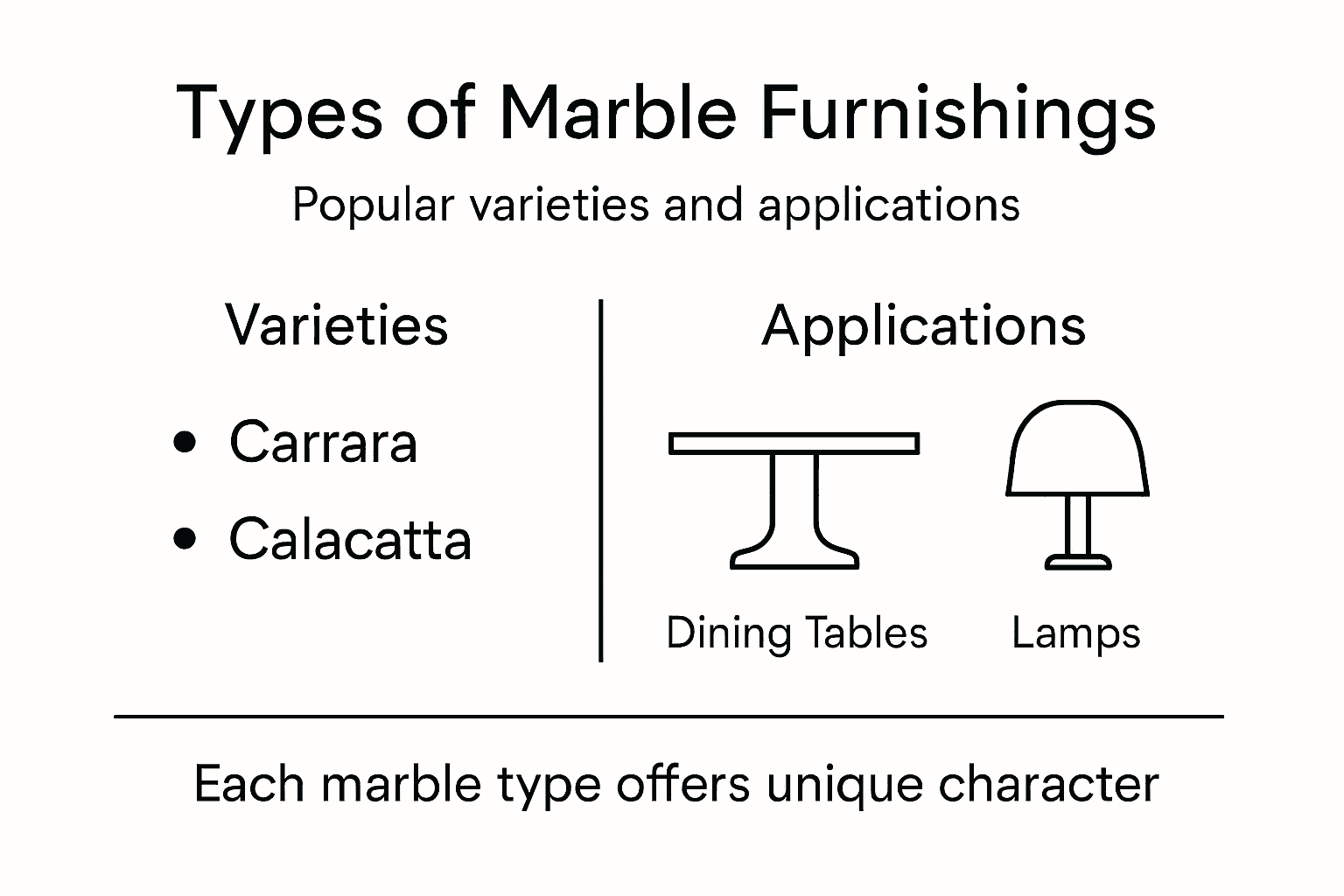
Here’s a quick reference guide to popular marble types and their best interior uses:
| Marble Variety | Dominant Colors | Common Applications |
|---|---|---|
| Carrara | Light gray, white | Countertops, wall panels |
| Calacatta | White, gold, gray | Feature tables, accent walls |
| Statuario | Pure white, soft gray | Floors, minimalist decor |
| Emperador | Brown, golden veins | Warm interiors, accessories |
| Nero Marquina | Black, white veins | Dramatic accents, statements |
Pro tip: Request samples of your preferred marble variety in the exact finish you’re considering (polished, honed, or brushed) and observe them in your home’s actual lighting at different times of day, as marble’s appearance shifts significantly and can look completely different from showroom settings.
Marble’s appeal transcends fashion cycles and design trends because it possesses inherent qualities that simply cannot be manufactured or replicated. The foundation of this timelessness lies in marble’s geological origin and natural composition. Marble’s natural formation through metamorphism creates varied veins and colors, ensuring no two pieces are ever identical. This geological individuality means that when you select a marble furnishing, you’re acquiring a piece of Earth’s history, literally holding something that took millions of years to form. That permanence resonates deeply with luxury homeowners who seek furnishings that transcend temporary trends and tell a meaningful story. The artisanal craftsmanship invited by working with marble further amplifies this timeless quality. Craftspeople must understand the stone’s natural characteristics, work with its unique veining patterns rather than against them, and apply techniques passed down through generations. This human element combined with geological time creates furnishings that feel genuinely irreplaceable.
The physical characteristics of marble contribute substantially to its enduring appeal and practical longevity. Marble’s unique crystalline structure and color variations offer both aesthetic charm and structural integrity that supports decades or even centuries of use. The material’s renowned durability means your marble furnishings will outlast fashion preferences, changing home styles, and even your own design evolution. Unlike trendy materials that deteriorate or become dated, marble actually improves with age, developing a patina and additional character that deepens its appeal. The light-reflective properties of marble are particularly remarkable. Polished marble catches and softly diffuses light throughout a room, creating visual brightness without harshness. This luminous quality has made marble the choice of architects and designers for millennia because it creates spaces that feel more open, refined, and connected to natural light. Furthermore, marble’s versatility with different finishes extends its design possibilities considerably. A single marble slab can appear entirely different depending on whether you choose polished, honed, or brushed finishes, allowing the material to adapt to minimalist contemporary spaces, traditional estates, or anything in between.
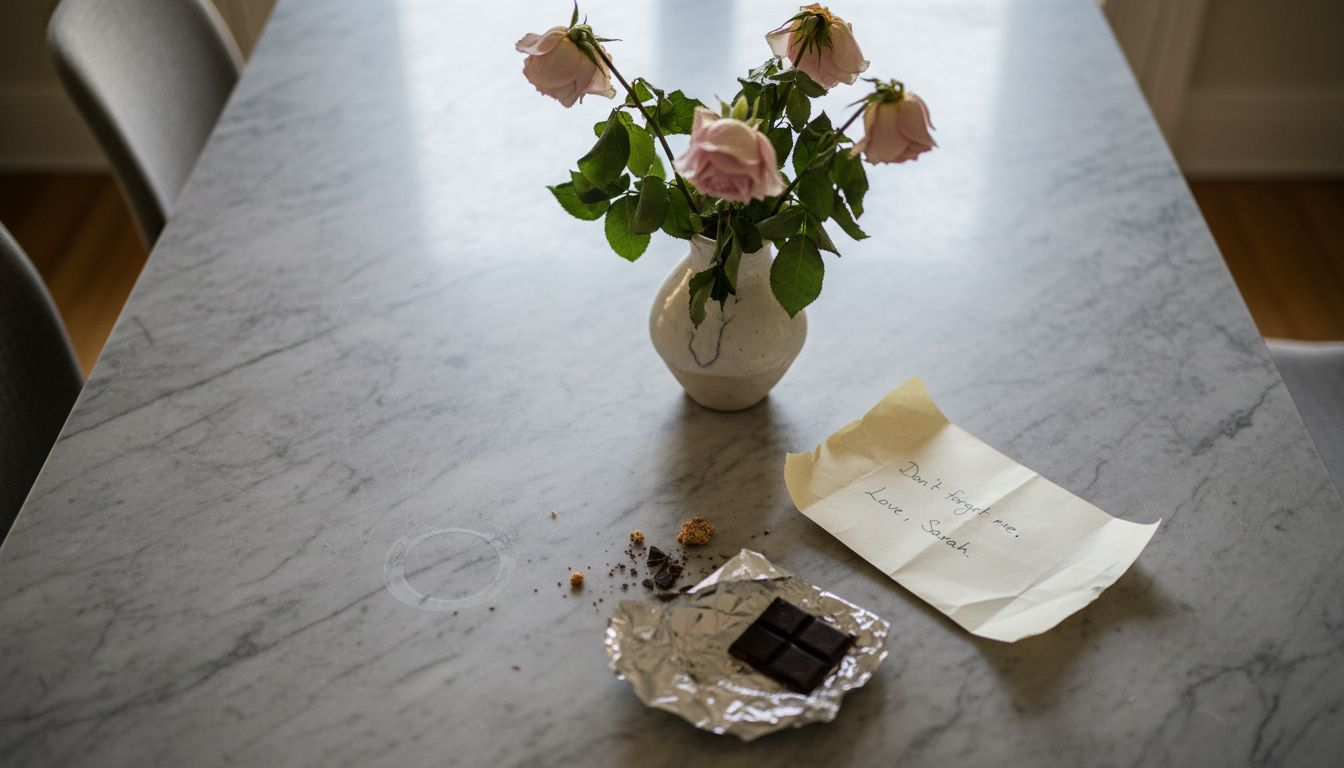
What separates marble from other luxury materials is how it simultaneously honors the past while embracing the present. Marble has graced palaces, cathedrals, and museums throughout history, creating an immediate association with timeless elegance and cultural significance. Yet modern manufacturing innovations have expanded what’s possible with marble furnishings far beyond traditional applications. Contemporary designers combine marble with metals, wood, and glass in ways previous generations never imagined. Marble lighting elements showcase the material’s light-reflective properties in sculptural forms. Hybrid furnishings blend marble with other materials to create visual interest and functional versatility. This balance between ancient heritage and modern possibility is precisely why marble furnishings feel both sophisticated and current. They reference historical luxury without feeling dated because the material itself transcends any single era. When you select a marble console table or decorative marble accent for your home, you’re choosing something that will remain visually relevant for decades while continuously building character and presence.
Pro tip: Embrace marble’s natural variations and unique veining patterns as features rather than flaws, and select pieces that showcase these individual characteristics prominently, as they’re what make your furnishings genuinely one-of-a-kind and will only become more appreciated as the marble develops additional patina over time.
The evolution of marble furnishings in contemporary design demonstrates how traditional materials adapt to modern living spaces and aesthetic expectations. Gone are the days when marble appeared only on kitchen countertops or bathroom vanities. Today’s sophisticated interiors showcase marble in roles that would have seemed unconventional just a decade ago. Contemporary marble design merges authenticity with cutting-edge industrial techniques, expanding far beyond conventional surfaces into partitions, backlit feature walls, and innovative furniture pieces that serve as visual anchors in residential and commercial spaces. A marble accent wall transforms an entryway, immediately communicating luxury and refinement to anyone entering your home. Backlit marble panels in a home office create sophisticated ambiance while showcasing the stone’s translucent qualities and veining patterns. Marble partitions divide open-concept spaces without blocking light or creating visual heaviness, maintaining flow while establishing distinct zones. These applications reflect how designers now think about marble as a sculptural material rather than purely a functional surface.
Marble furnishings in residential settings offer practical solutions to genuine design challenges while delivering luxury appeal. Consider the bedroom where a marble nightstand beside your bed becomes a design focal point and practical surface for lamps, books, and personal items. The cool surface of marble naturally creates visual calm in a bedroom environment. In living rooms, marble coffee tables serve as conversation pieces that anchor seating arrangements while adding architectural interest. A marble console table in an entryway creates a sophisticated first impression and provides functional space for keys, mail, and decorative objects. Bathroom applications extend well beyond traditional countertops. Marble bathroom accessories like soap dispensers, towel holders, and storage pieces elevate everyday rituals by introducing luxury into moments of personal care. Kitchen islands clad in marble become gathering spots where the stone’s durability withstands daily food preparation while its visual richness makes the kitchen feel like a destination rather than a utilitarian space. Marble lamp bases and lighting fixtures transform how light enters a room, with the stone’s luminous quality diffusing illumination in ways that standard materials cannot. These applications demonstrate that marble furnishings integrate seamlessly into actual living, solving real design needs while maintaining aesthetic sophistication.
Commercial spaces and high-end hospitality environments increasingly leverage marble furnishings to establish brand identity and guest experience. Luxury hotels feature marble reception desks that communicate exclusivity before guests even check in. High-end retail boutiques use marble display surfaces and architectural elements to create environments where products feel precious simply by their presentation context. Office lobbies incorporate marble partitions and feature walls to establish professional credibility and aesthetic sophistication. Professional offices utilize marble accessories and furnishings to create spaces where clients feel confident about the expertise and quality they’ll receive. These applications share a common thread: marble furnishings communicate something essential about quality, permanence, and commitment to excellence. The material itself becomes part of the brand message. When a luxury spa features marble benches, marble storage, and marble architectural elements, guests understand they’ve entered a space where quality genuinely matters. This principle applies equally to residential spaces. By introducing marble furnishings thoughtfully throughout your home, you’re not simply decorating. You’re establishing an environment that consistently communicates your personal commitment to quality, refinement, and timeless elegance.
Pro tip: Layer multiple marble furnishing pieces throughout your home in varying sizes and applications rather than concentrating all marble in a single room, as distributed marble pieces create a cohesive sense of luxury while avoiding the risk of the space feeling like a showroom instead of a livable home.
When considering marble furnishings for your luxury interior, understanding the investment perspective shifts how you evaluate costs and long-term value. Natural marble represents more than a purchase; it’s an acquisition that typically appreciates in perceived value as your home ages and design trends evolve. The global marble market is projected to grow significantly through 2030, driven by sustained demand from luxury interiors and high-end architectural projects worldwide. This consistent market growth reflects fundamental truths about marble’s desirability. Unlike trendy materials that depreciate when styles change, marble furnishings maintain or increase their appeal because the material itself transcends aesthetic cycles. A marble coffee table purchased today will look just as relevant and sophisticated in ten years, whereas engineered alternatives may feel dated as manufacturing techniques improve and design preferences shift. Real estate professionals acknowledge that homes featuring quality marble furnishings command higher appraised values and attract more serious buyers. The investment calculus becomes clear when you consider that a marble piece you purchase now will likely still be beautiful and functional for your children to inherit, something rarely true of synthetic alternatives.
Comparing marble to alternative materials requires honest assessment of what you’re actually purchasing. Engineered stone and quartz composites offer genuine advantages worth acknowledging. They typically cost 30 to 50 percent less than natural marble, provide consistent coloration without veining variation, and resist certain types of staining more effectively. For budget-conscious designers or applications where uniformity matters more than uniqueness, engineered alternatives serve legitimate purposes. However, these advantages come with meaningful tradeoffs. Natural marble is favored for premium, luxury applications due to its authentic appearance and longevity, qualities that engineered products simply cannot replicate regardless of manufacturing sophistication. Engineered stone lacks the geological history and natural uniqueness that make each marble piece genuinely irreplaceable. The veining in engineered products, while beautiful, follows repeating patterns because they’re manufactured rather than naturally formed. Synthetic materials don’t develop patina or improve with age the way natural marble does. Most importantly, engineered alternatives communicate a different message about quality and commitment to excellence. When guests see marble furnishings in your home, they recognize a deliberate choice for authenticity and permanence. Engineered stone, however attractive, signals budget optimization rather than commitment to luxury.
The investment value equation becomes more favorable for natural marble when you calculate cost over time. Yes, a marble nightstand costs more initially than an engineered alternative. But if that marble piece remains beautiful and functional for 30 years while the engineered piece requires replacement after 10 years due to wear, surface degradation, or style obsolescence, the marble piece actually costs less per year of use. Factor in the real estate value added by quality marble furnishings, and the financial argument strengthens considerably. Luxury homeowners purchasing marble furnishings aren’t making a consumption decision; they’re making an investment decision. You’re allocating capital toward pieces that enhance your living environment immediately while maintaining or appreciating in value over time. This perspective is particularly relevant for statement pieces like marble dining tables, console tables, or sculptural marble lamps that serve as focal points in primary living spaces. These pieces reward the additional initial investment through years or decades of beauty, functionality, and the subtle but meaningful message they communicate about your values and aesthetic sensibility.
Beyond purchase price, consider maintenance and longevity factors that affect total cost of ownership. Natural marble requires appropriate sealing and careful maintenance, which costs money but also ensures the material remains protected and beautiful for decades. Engineered stone needs less maintenance but often cannot be refinished or repaired the way marble can. A marble surface showing wear can be professionally refinished to look new again. An engineered surface showing damage typically requires replacement rather than restoration. This repairability factor provides marble with significant practical and financial advantages over many alternatives.
To help assess long-term value, here is a summary of marble vs. engineered stone for furnishings:
| Attribute | Natural Marble | Engineered Stone |
|---|---|---|
| Uniqueness | Every piece one-of-a-kind | Designs are repetitive |
| Aging | Develops a valued patina | Often degrades visually |
| Repair Options | Can be refinished/restored | Usually not repairable |
| Long-Term Value | Retains/increases over time | May decrease as trends change |
Pro tip: View marble furnishing purchases as investments in your home’s long-term value and your daily quality of life rather than pure design expenses, and prioritize statement pieces in high-visibility areas where their beauty will be appreciated constantly rather than spreading your budget thinly across multiple smaller marble items.
Marble’s reputation for timeless beauty can mask an important reality: this stunning material requires understanding and proper care to maintain its appearance over decades. The good news is that marble furnishings are genuinely durable when treated appropriately. Natural marble is significantly harder than many people assume, with a Mohs hardness rating of 3 to 4, making it more resistant to everyday wear than soft leather or wood furnishings. However, marble is softer than granite or engineered stone, which means it demands a different maintenance approach than homeowners accustomed to low-maintenance synthetic surfaces might expect. Understanding this distinction upfront prevents disappointment and helps you develop realistic expectations about your marble investment. The durability question isn’t whether marble will last; it’s whether you’re willing to maintain it properly so it continues looking beautiful throughout its lifespan.
Proper maintenance begins with understanding what damages marble and how to prevent those damages. Acidic substances represent the primary threat to marble furnishings. Lemon juice, vinegar, wine, tomato sauce, and even some cleaning products contain acids that etch marble’s surface, creating dull spots and dulling the polished finish. A marble dining table isn’t ruined by a single wine spill, but repeated exposure without immediate cleanup gradually degrades the surface. Sealing is your first line of defense. Quality marble furnishings arrive sealed from reputable manufacturers, but sealing degrades over time and requires reapplication every one to three years depending on usage intensity. Apply food-grade marble sealer to dining surfaces and bathroom accessories regularly to maintain protection. Spill management becomes a daily habit with marble furnishings. Water rings from drinking glasses, condensation from cold beverages, and acidic foods must be wiped immediately rather than left to sit. This isn’t burdensome once you establish the habit, but it does require mindfulness that synthetic surfaces don’t demand. Hard impacts can chip or crack marble, so avoid placing heavy objects directly on surfaces and use coasters under decorative items. Marble nightstands shouldn’t hold metal desk lamps that might scratch or chip the surface. Common pitfalls emerge when homeowners treat marble like granite or assume it requires no special attention because it looks so durable.
Many luxury homeowners encounter regrettable situations that could have been prevented through knowledge. Using standard household cleaners on marble causes cumulative damage. Bleach, ammonia-based products, and acidic bathroom cleaners etch marble surfaces irreversibly. Always use pH-neutral cleaners specifically formulated for marble or create a simple solution of warm water with a tiny drop of mild dish soap. Allowing dust to accumulate seems inconsequential until you realize that dust contains microscopic particles that scratch marble when you wipe surfaces without dampening them first. Always dampen your cloth before wiping marble. Placing marble furnishings in high-heat environments without protection causes thermal stress and potential cracking. A marble coffee table near a fireplace or heating vent risks damage from temperature fluctuations. Ignoring water damage is particularly problematic with marble bathroom accessories and kitchen islands, as standing water penetrates the stone and causes staining or weakening of internal structure. Wipe water promptly and ensure proper ventilation to prevent moisture accumulation. Attempting DIY repairs often worsens damage. Small chips or cracks require professional attention rather than home repair attempts that typically make problems more visible.
Here’s a perspective shift that helps luxury homeowners appreciate marble properly: minor etchings and subtle wear don’t ruin marble; they create authentic patina that deepens the material’s character. A marble countertop or table that shows light etching from years of use tells the story of a home that’s actually lived in rather than preserved like museum pieces. Accepting this reality liberates you from obsessive maintenance anxiety. You’re not trying to keep marble pristine forever; you’re maintaining it well while accepting that genuine use creates authentic aging. This perspective explains why antique marble furnishings command premium prices. The accumulated patina makes them more beautiful, not less.
Pro tip: Establish a simple marble maintenance routine immediately after purchase by placing coasters on all tables, keeping pH-neutral cleaner accessible, and wiping acidic spills within minutes, turning marble care into automatic habit rather than burdensome task that you’ll eventually neglect.
The article highlights a common challenge faced by luxury homeowners and designers: finding marble furnishings that truly combine natural uniqueness, timeless elegance, and practical durability. If you seek to create intentional statement pieces that capture marble’s distinctive veining and luminous qualities, while ensuring lasting investment value and authentic craftsmanship, Marmorique offers exactly what you need. We specialize in high-quality natural marble and travertine products designed to enhance sophisticated interiors with pieces that tell a meaningful story and improve with age.
Discover our curated collection of marble lamps, tables, and decorative accessories that embody the philosophy of intentional statement-making described in the article. Each piece reflects meticulous craftsmanship, premium natural stone selection, and finishes tailored to highlight veining and texture in your home’s unique lighting. Don’t settle for mass-produced alternatives when you can choose furnishings that elevate your space and hold their beauty for decades. Visit Marmorique now to explore our premium offerings and transform your interior into a sanctuary of refined elegance. Start your marble journey today with curated luxury furnishings designed to last a lifetime.
Marble furnishings offer unique natural veining, light-reflective properties that enhance visual depth, and durable functionality that combines elegance with practicality.
Choosing the right marble involves considering its distinct veining, color, and finish. Varieties like Carrara, Calacatta, and Statuario each bring unique aesthetics that suit different interior styles.
Marble requires sealing every one to three years, immediate cleanup of acidic spills, and gentle cleaning with pH-neutral products to maintain its appearance and prevent etching.
Natural marble is durable and can be refinished, while engineered stone may resist stains better but often cannot be repaired. Marble develops unique patina with age, enhancing its character, unlike synthetic alternatives.


