Your Cart (0)
Your cart is empty
Free express shipping

Drawer menu
Free express shipping

When most people think about modern bathroom design, they imagine sleek synthetic surfaces and cutting-edge materials. Yet the most enduring luxury bathrooms throughout history share one common element: natural stone. This guide reveals why stone remains the premier choice for homeowners and designers seeking to create bathrooms that transcend fleeting trends while offering genuine sustainability benefits. You’ll discover how stone’s unique properties deliver both immediate visual impact and decades of lasting beauty.
| Point | Details |
|---|---|
| Timeless luxury appeal | Stone creates sophisticated bathroom aesthetics that remain elegant across design eras and style shifts |
| Superior durability | Natural stone maintains beauty for decades, outlasting synthetic alternatives that require frequent replacement |
| Environmental advantage | Stone’s longevity reduces lifetime environmental impact compared to materials needing replacement every decade |
| Design versatility | Stone’s natural color and texture variations complement any bathroom style from classic to contemporary |
Stone has graced luxury bathrooms for centuries, from Roman bath houses to Renaissance palaces. This enduring presence stems from stone’s ability to convey both permanence and refined taste. Unlike manufactured materials that can feel generic, natural stone carries inherent character through its unique veining, color variations, and textural depth.
Every slab tells a geological story millions of years in the making. These natural patterns create visual interest that synthetic materials struggle to replicate authentically. Marble’s dramatic veining, travertine’s organic pitting, and granite’s speckled surfaces each bring distinct personality to bathroom spaces.
Stone adapts beautifully across design philosophies. Consider these applications:
The color palette available in natural stone spans from pristine whites to deep charcoals, with every earth tone in between. This spectrum allows you to anchor your bathroom’s color scheme in nature’s most enduring hues. Warm beiges create inviting spaces, cool grays project serenity, and dramatic blacks establish striking focal points.
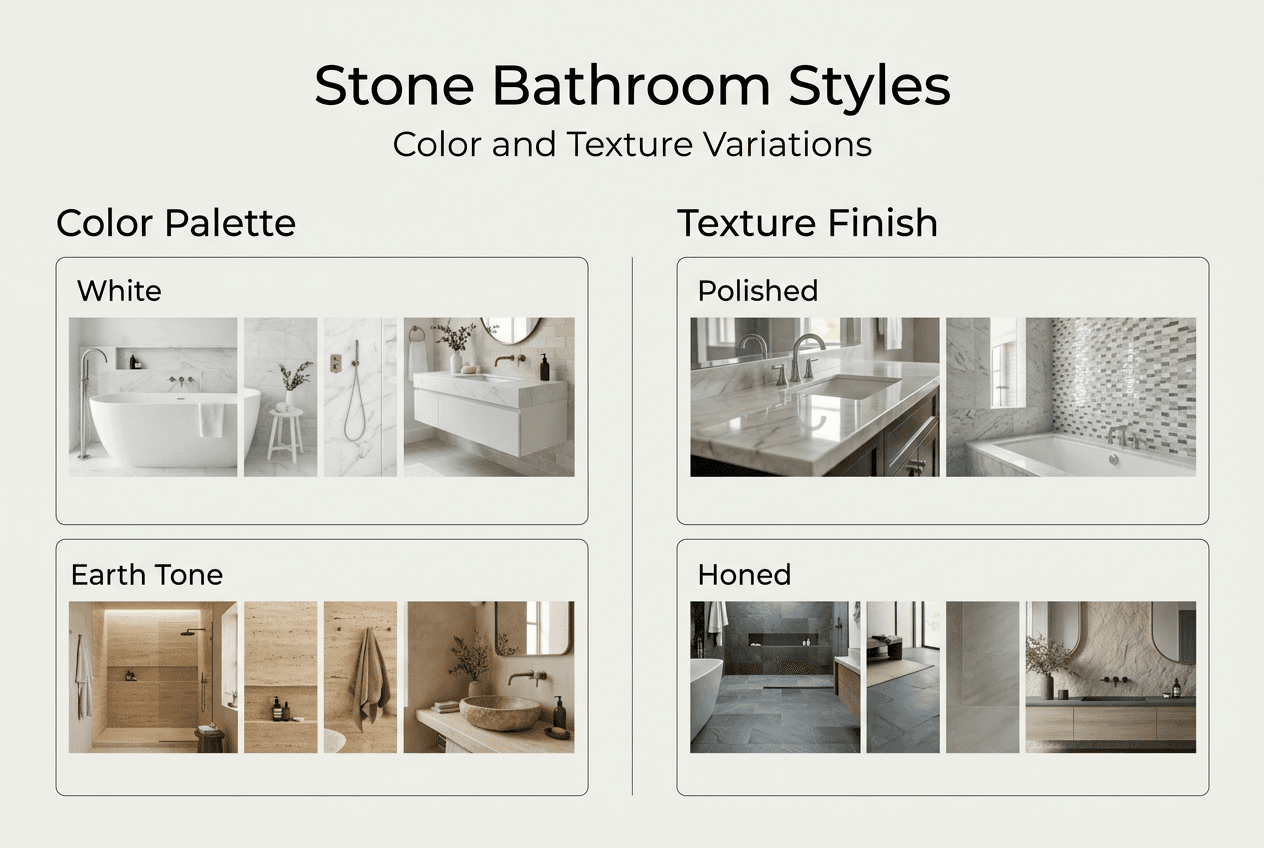
Texture choices further expand design possibilities. Polished finishes reflect light and amplify spaciousness. Honed surfaces offer subtle sophistication without glare. Tumbled or brushed treatments provide tactile interest and slip resistance for shower floors. Each finish interacts differently with light throughout the day, creating dynamic visual experiences.
Natural stone’s reputation for durability isn’t marketing hype. Stone bathroom sets provide 90% more durability, maintaining quality and appearance over time compared to conventional materials. This performance advantage stems from stone’s fundamental physical properties developed over millennia of geological pressure and heat.
Stone resists the daily challenges bathroom materials face with remarkable resilience. Water exposure that warps wood or degrades composites barely affects properly sealed stone. Heat from styling tools won’t scorch granite or marble countertops. Dropped cosmetic bottles that chip porcelain leave stone unscathed. Chemical exposure from cleaning products, perfumes, and personal care items causes minimal impact when you follow basic maintenance protocols.
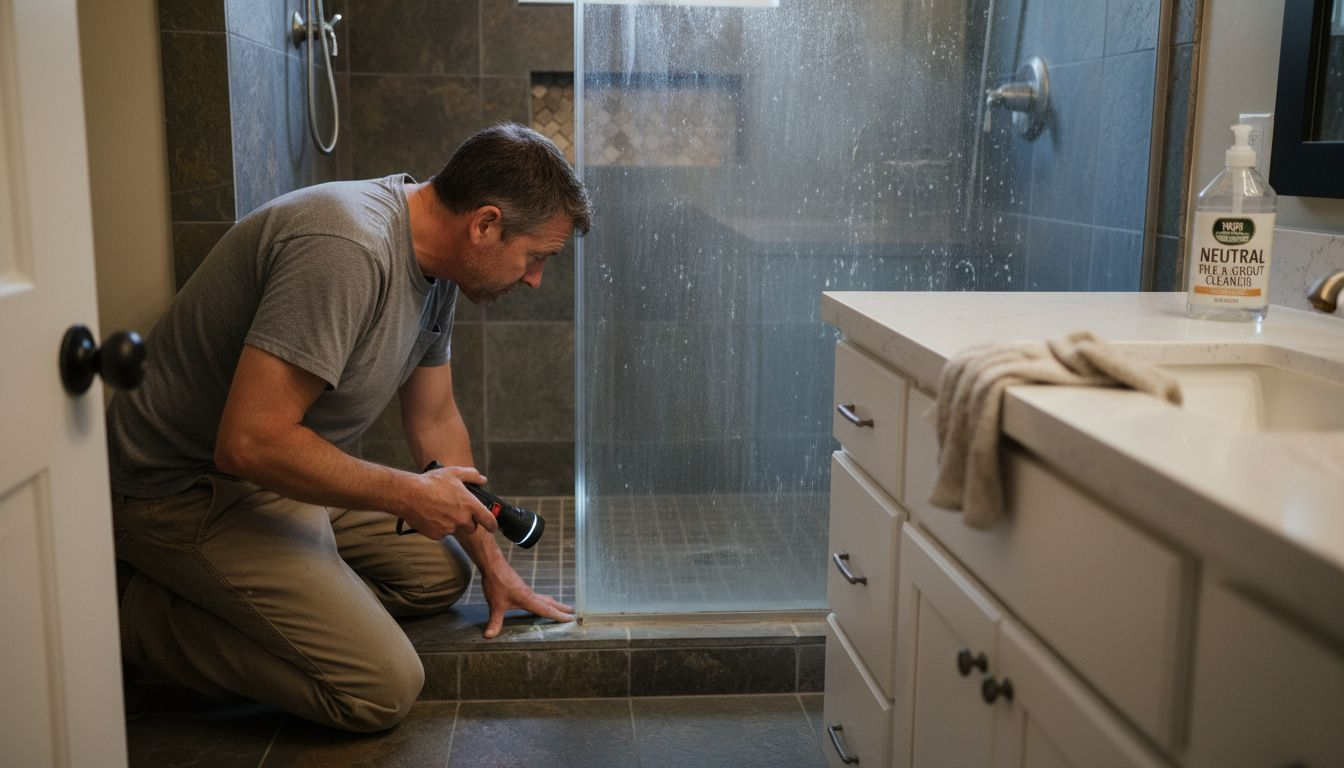
Proper sealing creates an invisible barrier that prevents moisture penetration and staining. Modern sealers have evolved significantly, offering protection that lasts years rather than months. The sealing process takes minutes and requires no special skills. You simply apply the sealer, let it penetrate, then wipe away excess. This simple step dramatically extends your stone’s life span and preserves its appearance.
Maintaining stone surfaces involves straightforward practices:
These minimal requirements contrast sharply with synthetic materials demanding frequent deep cleaning, refinishing, or complete replacement. Stone’s maintenance simplicity actually saves time over decades of ownership.
Pro Tip: Test your stone’s seal by placing a few drops of water on the surface. If water beads up, your seal remains effective. If it darkens the stone within minutes, schedule resealing soon.
The long term value proposition becomes clear when you compare replacement cycles. Quality stone bathroom sets can serve your family for 30 to 50 years or more. Laminate countertops typically need replacement every 10 to 15 years. Acrylic fixtures show wear within 5 to 10 years. Over a 30 year period, you might replace synthetic materials two or three times while your stone surfaces continue performing beautifully.
Environmental consciousness increasingly influences design decisions, and stone delivers genuine sustainability advantages. Natural stone has a lower environmental impact compared to materials that need replacing every decade, according to comprehensive life cycle assessments. This environmental benefit stems from stone’s exceptional longevity and the avoided impacts of manufacturing replacement materials repeatedly.
Life cycle assessment methodology evaluates environmental impacts from raw material extraction through manufacturing, transportation, use, and eventual disposal. These studies reveal that while stone extraction requires energy, the material’s 50 plus year lifespan distributes this initial impact across decades of service. Synthetic alternatives might have lower manufacturing impacts initially, but their 10 to 15 year replacement cycles accumulate significantly higher lifetime environmental costs.
Natural stone’s durability translates directly into resource conservation. Each decade your stone surfaces remain beautiful represents manufacturing emissions, transportation fuel, and landfill space you haven’t consumed through replacement materials.
Consider this comparison of lifetime environmental impacts for bathroom countertops:
| Material | Average Lifespan | Replacements in 50 Years | Cumulative Manufacturing Impact | Waste Generated |
|---|---|---|---|---|
| Natural Stone | 50+ years | 0 | 1x baseline | Minimal |
| Engineered Quartz | 25 years | 1 | 2x baseline | Moderate |
| Laminate | 12 years | 3-4 | 4-5x baseline | High |
| Solid Surface | 15 years | 2-3 | 3-4x baseline | Moderate |
Stone’s sustainability extends beyond longevity. Modern quarrying operations increasingly emphasize environmental stewardship through water recycling, habitat restoration, and efficient material utilization. Quarry waste often finds secondary uses in aggregate, landscaping materials, or architectural applications. This circular approach minimizes environmental impact while maximizing resource efficiency.
The absence of volatile organic compounds in natural stone contributes to healthier indoor air quality. Synthetic materials can off gas chemicals for months or years after installation. Stone releases nothing, making it ideal for the enclosed, humid bathroom environment where air quality matters most.
Transportation impacts vary based on stone origin and your location. Domestic stone sources reduce shipping distances and associated emissions. However, even imported stone’s transportation footprint remains modest when distributed across its multi decade service life. The key consideration is total lifetime impact, not just initial installation.
Choosing stone aligns your bathroom design with broader sustainability values without sacrificing luxury or performance. You create beautiful spaces while making environmentally responsible decisions that reduce long term resource consumption and waste generation.
Transforming sustainability and durability insights into stunning bathroom design requires thoughtful material selection and integration. Start by evaluating your bathroom’s existing color palette, lighting conditions, and overall style direction. These factors guide stone selection to ensure cohesive results.
Color coordination establishes visual harmony. Cool toned stones like gray marble or blue granite complement modern fixtures and chrome hardware. Warm toned options including beige travertine or cream limestone pair beautifully with brass, gold, or oil rubbed bronze finishes. Dramatic black or deep green stones create striking contrast in predominantly white bathrooms.
Texture selection impacts both aesthetics and functionality. Polished surfaces maximize light reflection, making smaller bathrooms feel more spacious. Honed finishes offer sophisticated matte appearances that hide water spots and fingerprints better than high gloss options. Textured treatments provide essential slip resistance for shower floors and tub surrounds while adding organic visual interest.
Strategic stone placement maximizes impact:
Mixing materials prevents monotony while highlighting stone’s special qualities. Pair stone countertops with wood vanity cabinets for warmth. Combine stone tile floors with painted walls to balance visual weight. Use glass shower enclosures to showcase stone surrounds without overwhelming the space. Metal fixtures and lighting provide necessary contrast against stone’s organic patterns.
Pro Tip: Request stone samples to view in your actual bathroom lighting before committing. Stone appearance shifts dramatically between showroom fluorescents and your home’s natural and artificial light sources.
Maintenance planning ensures lasting beauty. Establish simple routines from day one. Keep pH neutral stone cleaner and microfiber cloths readily accessible. Schedule annual seal inspections to catch needs before problems develop. Address any chips or cracks promptly to prevent moisture infiltration.
Professional consultation can elevate results significantly. Interior designers experienced with stone bathroom sets understand how different stones perform in humid environments. They navigate the balance between aesthetic vision and practical considerations like slip resistance, maintenance requirements, and budget constraints. Their expertise helps you avoid costly mistakes while maximizing stone’s design potential.
Consider the complete sensory experience stone creates. The cool touch of marble on a warm day feels refreshing. Textured stone surfaces provide subtle tactile interest. Stone’s thermal mass helps moderate bathroom temperature fluctuations. These physical qualities contribute to comfort beyond visual appeal.
Scale and proportion matter when incorporating stone. Oversized slabs with minimal seams create seamless luxury in spacious bathrooms. Smaller tiles offer flexibility for compact spaces or curved applications. Book matched slabs, where adjacent pieces mirror each other’s veining, deliver stunning symmetrical effects for feature walls or large vanities.
You’ve learned how stone transforms bathrooms through timeless aesthetics, exceptional durability, and environmental responsibility. Now bring these principles into your space with carefully curated stone accessories that embody these values. Marmorique specializes in artisan crafted solid stone pieces designed specifically for discerning homeowners and designers seeking authentic luxury.
Our artisan marble soap dish exemplifies how functional items become design statements. Each piece showcases marble’s natural veining and substantial weight, qualities impossible to replicate in synthetic alternatives. These accessories complement your larger stone installations while adding refined details that complete the luxury bathroom experience.
Explore our collection of solid stone bathroom essentials and decorative accents. From practical soap dishes to elegant ornamental pieces, each item reflects the craftsmanship and material quality discussed throughout this guide. These selections align perfectly with sustainable design principles, offering beauty that endures for generations rather than seasons.
Natural stone adapts remarkably well across bathroom design styles from traditional to contemporary. The material’s variety in color, pattern, and finish allows it to complement classic elegance, modern minimalism, rustic farmhouse aesthetics, or transitional designs. Selecting appropriate stone types and finishes ensures cohesion with your specific style vision.
Most stone bathroom surfaces require resealing every one to three years depending on stone type, finish, and use intensity. High traffic vanity tops may need annual sealing, while shower walls might extend to three years. Perform the water drop test periodically to assess seal effectiveness and reseal when water no longer beads on the surface.
Natural stone offers superior environmental performance over its lifetime compared to synthetic materials requiring frequent replacement. Life cycle assessments confirm that stone’s exceptional longevity distributes initial extraction and processing impacts across 50 plus years of service. This durability eliminates the repeated manufacturing, transportation, and disposal impacts associated with shorter lived alternatives.
Marble, granite, travertine, and limestone each offer distinct advantages for bathrooms. Marble provides classic luxury with dramatic veining. Granite delivers maximum durability and stain resistance. Travertine offers organic texture and warmth. Limestone creates soft, sophisticated aesthetics. Choose based on your priorities for appearance, maintenance tolerance, and budget, ensuring proper sealing regardless of stone type selected.


